


In the second part of the day, government officials and corporate leaders addressed the policy levers needed to realize that vision.
The overarching consensus: more funding for healthcare, innovative therapies for those in need, streamlined clinical research, earlier diagnostics and screening, and direct support for young talent are vital to Hungary’s economic and healthcare future.
Global competition for life science leadership is intensifying, and Central Europe is increasingly claiming its place on the map. Against this backdrop, Swiss healthcare giant Roche convened this landmark event in Budapest, bringing together the next generation of healthcare pioneers and top-level policy executives to map out a strategy for Hungary’s life sciences ecosystem.
The “Next Gen Health” initiative focused on a single core ambition: turning local intellectual capital into scalable, real-world health solutions.
The event was marked by the high-profile participation of Dr. Thomas Schinecker, global CEO of the Roche Group, whose visit highlighted Central Europe’s strategic importance in Roche’s global research and innovation network.
Roche has a significant footprint in Hungary, employing nearly 3,000 people across two key organizations. Roche Hungary serves as the commercial affiliate delivering breakthrough pharmaceuticals and diagnostic solutions to local patients. Roche Services & Solutions acts as a strategic global business services partner, providing deep expertise in finance, analytics, procurement, regulatory operations, digital strategies, as well as AI and automation solutions to Roche companies around the globe.
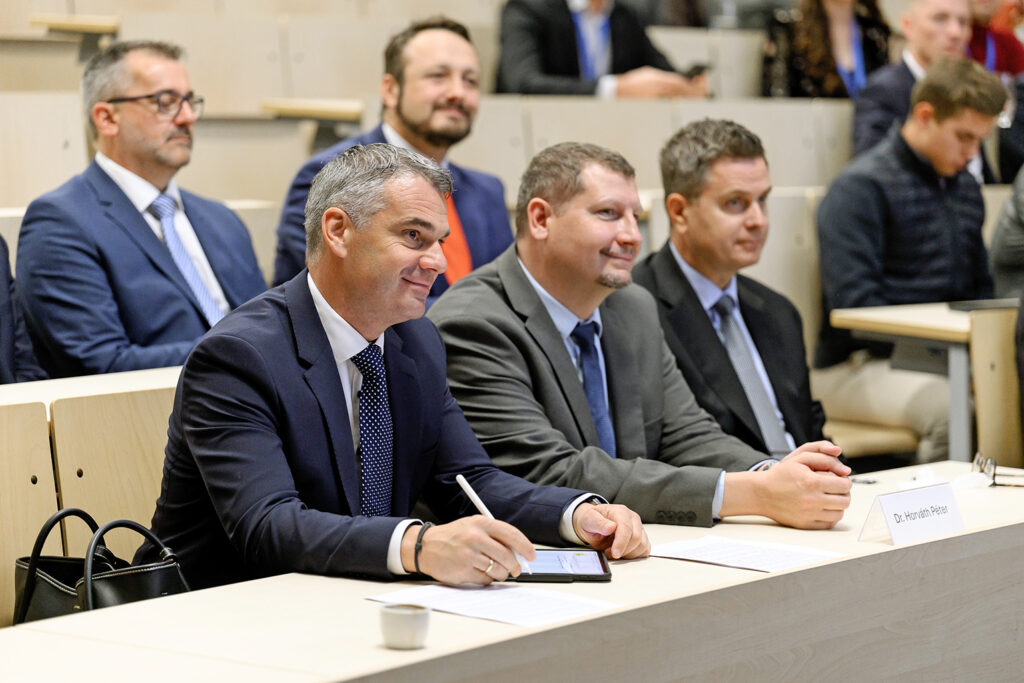
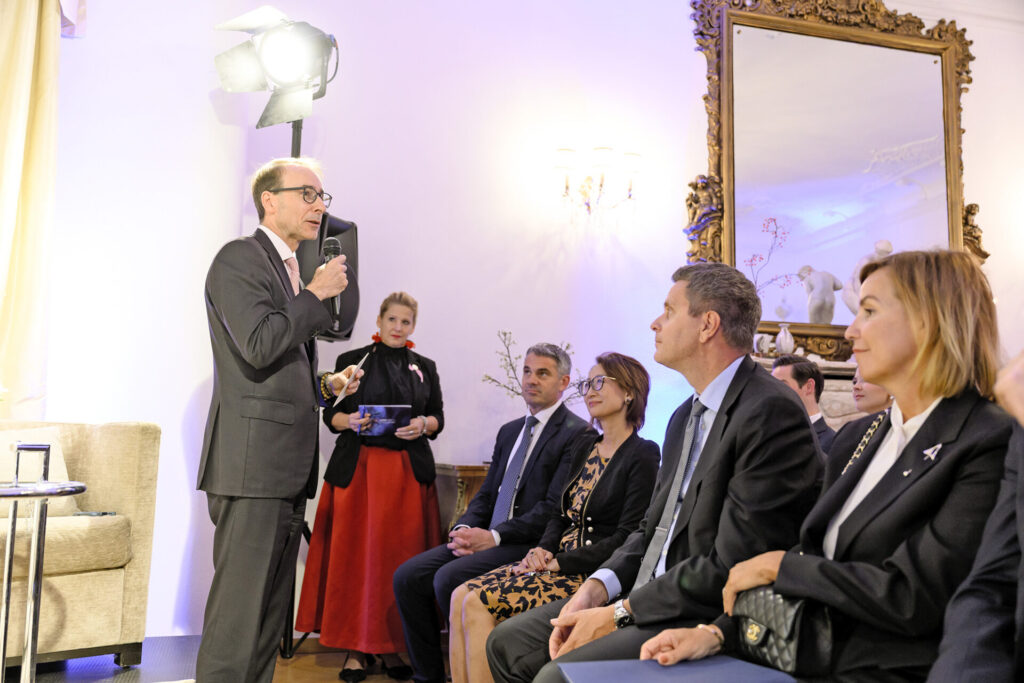
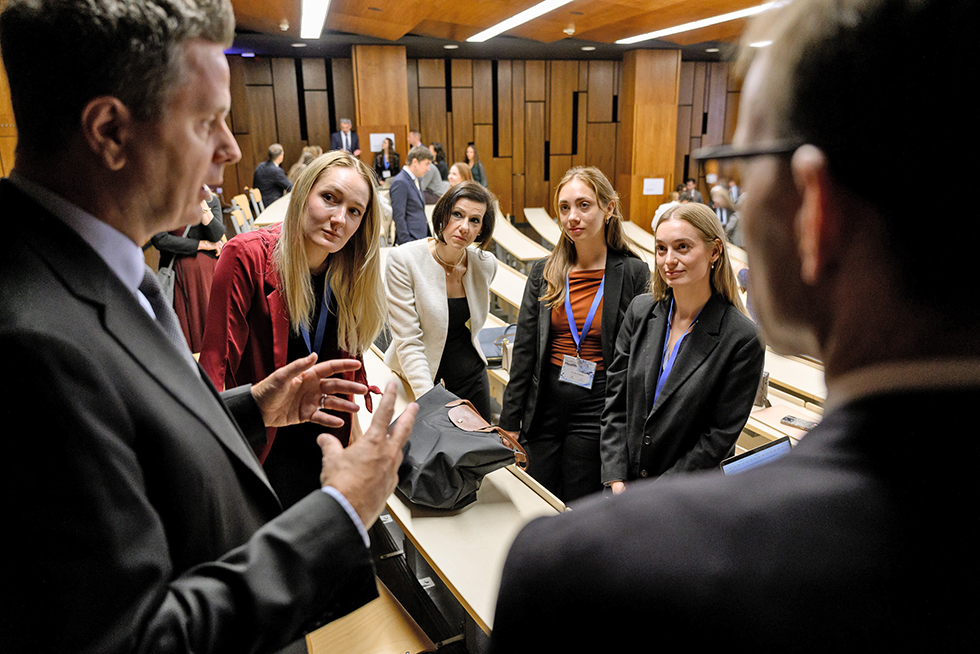
During the interactive workshop stage, more than 30 young professionals divided into specialized task forces to tackle the four most pressing bottlenecks facing Hungarian healthcare and biotechnology today: positioning Hungary as Central Europe’s leading clinical research destination; cutting the average diagnosis time for Alzheimer’s disease in half; finding solutions to increasing screening participation in hard-to-reach communities; and building a European-class biotech startup ecosystem.
The teams pitched actionable concepts directly to key stakeholders, such as State Secretary for Science Policy and Innovation Dr. Péter Horváth, Member of Parliament Dr. Csongor Kincse, Ambassador of Switzerland to Hungary Alexander Renggli, and Roche Group CEO Mr. Schinecker.
To streamline clinical research, participants designed a digital platform called PACE, which aims to connect patients, hospitals, and pharmaceutical companies seamlessly. Addressing neurodegenerative diseases, they outlined a unified, comprehensive National Dementia Strategy that prioritizes awareness-raising and early diagnostic pathways before irreversible cognitive decline occurs.
To improve screening coverage, the teams proposed leveraging Hungary’s centralized National eHealth Infrastructure (EESZT) data layer to help local experts deploy targeted outreach programs. Finally, to foster a thriving biotech startup ecosystem, they suggested creating a Health Innovation Exchange, a dedicated networking platform designed to bridge early-stage biotech ventures with academic institutions, public authorities and private capital.
A major announcement during the gathering was the launch by Roche of its The Next Chair initiative. Under this commitment, Roche Hungary will permanently reserve an active seat for a young doctor, researcher, or biotech innovator at all future professional and strategic forums hosted by the company in Hungary.
“Healthcare’s future cannot be designed in isolation. It requires fresh perspective, bold questions, and uninhibited drive of young talent,” noted Peter Ahnesorg, general manager of Roche Hungary. “The ‘Next Gen Health’ event and ‘The Next Chair’ initiative were created precisely to build that bridge, connecting the upcoming generation of thinkers with those who hold the keys to health policy today.”
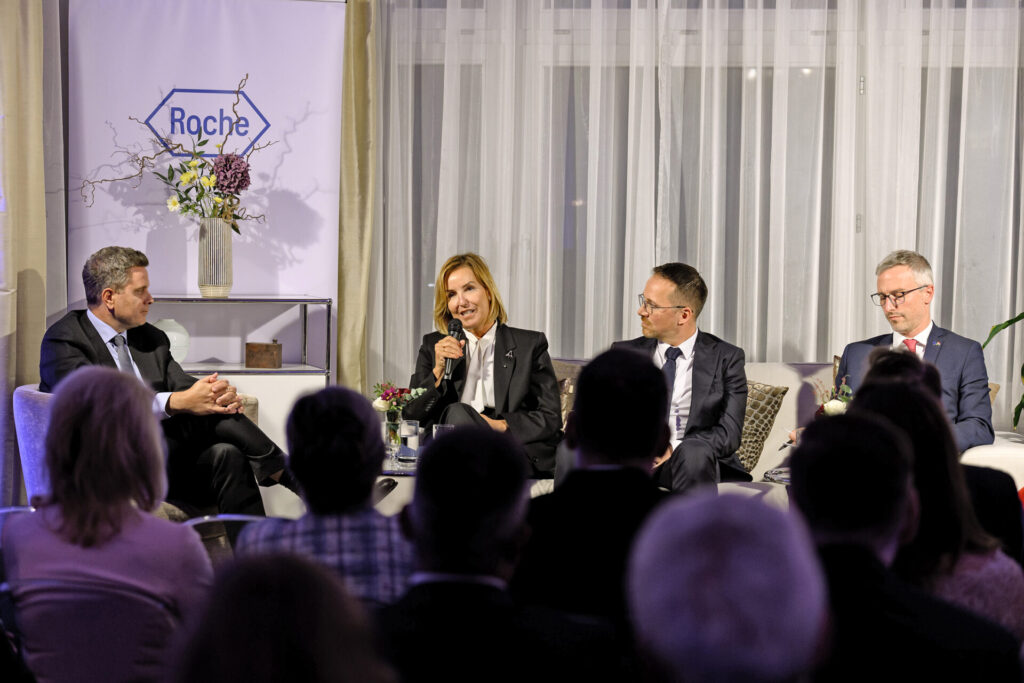

The second portion of the day shifted to high-level policy and macroeconomic execution. A distinguished panel, opened by Ambassador Renggli and led by Dr. Katalin Szalóki, director of the Association of Innovative Pharmaceutical Manufacturers, discussed the global and local trends and the regulatory, economic, and structural reforms necessary to translate European research into patient care faster.
The discussion brought together top-level public and private figures, featuring insights from Parliamentary State Secretary László Bicskei of the Ministry of Science and Technology, State Secretary Judit Zolnay of the Ministry of Economy and Energy, Director-General Botond Feledy of the Hungarian Institute of International Affairs, and Roche Group’s CEO, Mr. Schinecker.
State Secretary Bicskei acknowledged that while Hungary boasts outstanding scientific excellence, too few clinical ideas successfully transition into commercial products. He identified the intelligent, privacy-compliant utilization of EESZT data as a crucial catalyst for healthcare research. By leveraging standardized data, scientists could rapidly determine patient cohort sizes for clinical trials, significantly reducing feasibility timelines and attracting international trial investment.
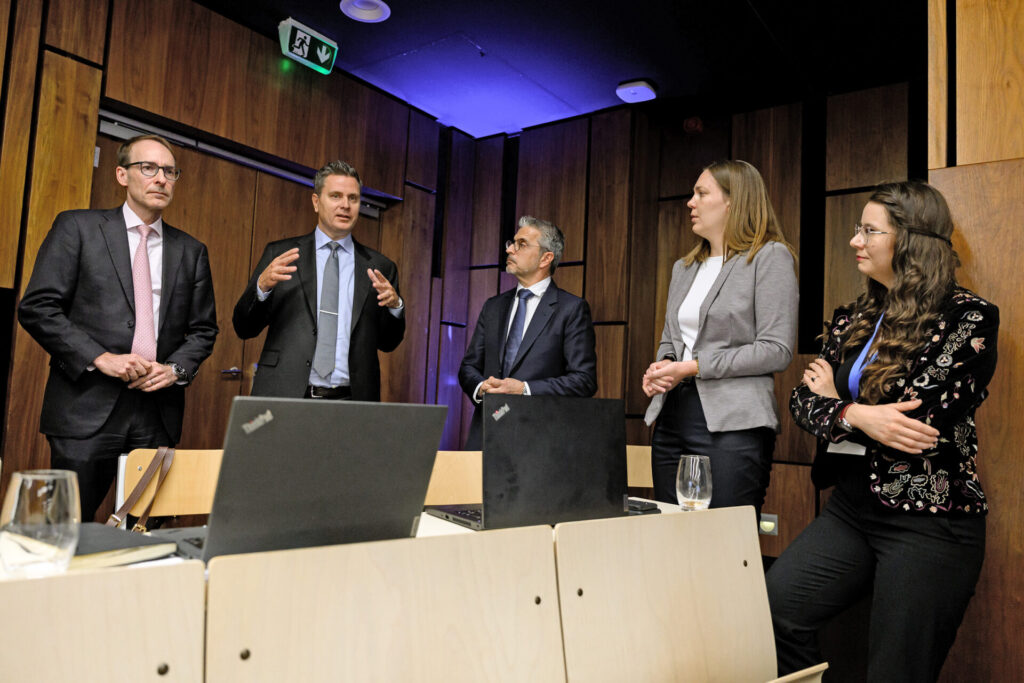
State Secretary Zolnay compared public administration to corporate executive management. While financial officers naturally seek short-term cost reductions, economic leaders must invest in long-term growth. She highlighted the Tisza government’s commitment to provide HUF 500 billion in additional resources for healthcare.
This additional spending also serves as a high-return economic driver, yielding a healthier, more productive workforce. With regard to the government’s economic policy, she also emphasized new focus areas for FDI strategy: the pharmaceutical and biotech sector; engineering-related activities; and business services centers.
Adding a geopolitical dimension, Feledy highlighted that establishing an open, ongoing dialogue between global business leaders and government authorities is itself a vital competitive advantage for national competitiveness.
Closing the panel, Mr. Schinecker framed the local initiative within the context of global competitiveness. He stressed that Europe must reclaim its edge in medical innovation against stiff competition from the United States and Asia. Doing so, he argued, requires a predictable regulatory framework, swift access to novelty, and a cultural shift toward trusting and funding innovation.
According to Schinecker, life sciences is one of the few sectors where Europe can still be a true global leader, and Hungary could bring a formidable talent base to that contest. To unlock that potential, we must combine that intellect with predictable policies and agile public-private collaboration, so the region, and Hungary, can become an indispensable hub for next-generation healthcare.
This article was first published in the Budapest Business Journal print issue of October 19, 2026.


