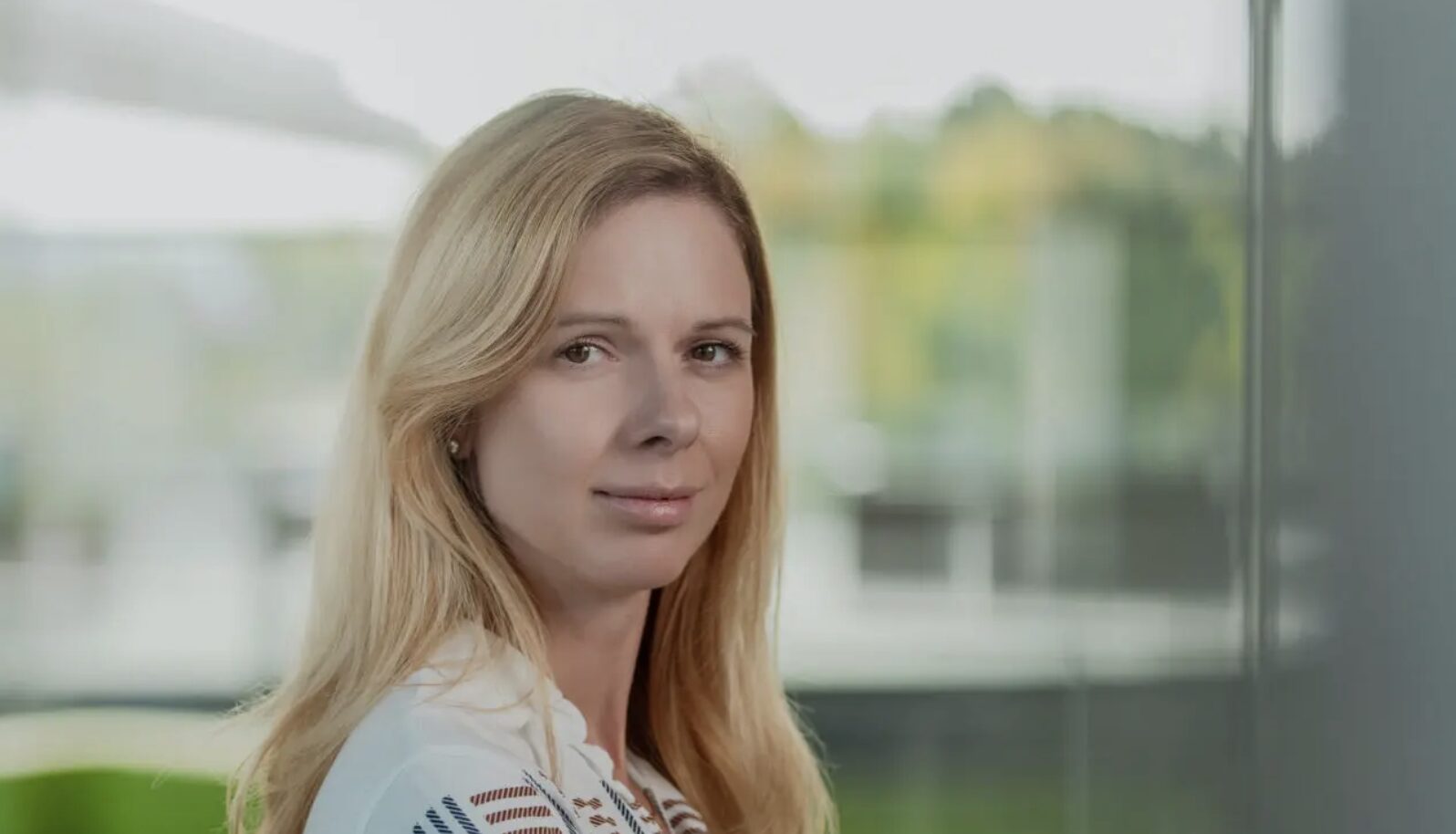
The Budapest Business Journal spoke with Gavrilova about AI’s potential to enhance telecoms.
Gavrilova started her career in marketing and product management, but her desire to delve deeper into data analysis and decision-making led her to transition into data science.
“At a certain point, I realized that I need to strengthen my knowledge from the data perspective because the marketing world and product management always rely on the data side to make decisions,” she explained.
Although lacking coding experience, her business knowledge enabled her to leverage what she describes as “absolutely outstanding” onboarding and learning platforms to quickly develop programming expertise. Working within R&D departments provided her first experience with AI, which she applied at global telcos, including Vodafone and A1, primarily in machine learning and customer value management. This expertise paved the way for her current role at Yettel Hungary.
Machine learning, a form of AI that uses data to improve decision-making through predictive algorithms, has been in use for several years, for instance, playing a key role by enabling personalized services and targeted campaigns. Yet, it wasn’t until the advent of generative AI, specifically ChatGPT, that Yettel recognized the need to elevate AI to a strategic pillar.
“With the introduction of ChatGPT, this accelerated all companies to look much more into AI and to consider it as something that should be part of the company’s strategy,” Gavrilova explains.
Through its new department, Yettel is focusing on broader applications for AI, such as digital marketing, B2B solutions, and call center operations. Some of its initiatives include modernizing analytics and enhancing system integrations. One example Gavrilova highlights is utilizing AI to migrate systems to the cloud and improve data access to provide a 360-degree view of customers and enable more personalized offerings.
The department has also established an AI lab to foster collaboration between data teams and business units.
“Through that lab, we facilitate our work on one hand, and, on the other, we show the possibilities in the AI space to the business owners so they can come to us with the right user stories and use cases,” she explains.
As artificial intelligence use grows, so do concerns about data compliance. Yettel says it has established a robust AI policy that prevents unauthorized use and addresses ethical considerations, including bias mitigation and transparency.
“Our customers should not feel like we are the silent observer of their every step and action. We want to bring excellent experiences without that intrusive feeling,” Gavrilova stresses. She is confident that AI will help Yettel offer even more tailored products and services that better align with customer needs.
“We want our customers to feel that we know their needs and to avoid situations where they are offered products that don’t fit them at all,” she says. While machine learning will continue to drive behind-the-scenes improvements, Gavrilova expressed excitement that generative AI would offer customers tangible benefits they could directly experience, such as enhanced chatbot interactions.
This article was first published in the Budapest Business Journal print issue of December 13, 2024.
Producing journalism that is worthy of the name is a costly business. For over 30 years, the publishers, editors and reporters of the Budapest Business Journal have striven to bring you business news that works, information that you can trust, that is factual, accurate and presented without fear or favor.Newspaper organizations across the globe have struggled to find a business model that allows them to continue to excel, without compromising their ability to perform. Most recently, some have experimented with the idea of involving their most important stakeholders, their readers.
We would like to offer that same opportunity to our readers. We would like to invite you to help us deliver the quality business journalism you require. Hit our Support the BBJ button and you can choose the how much and how often you send us your contributions.