


The CATL factory in Debrecen and BYD’s plant in Szeged, together with the planned Volvo plant in Košice, in neighboring Slovakia, are changing the industrial map of the region and creating a wave of demand for logistics space, says Colliers. Investment activity has rebounded strongly, supported by local capital supporting opportunistic strategies, according to the consultancy.
“Improving sentiment is likely to carry momentum into 2026. As financing conditions gradually stabilize and investor confidence strengthens, transaction activity may broaden across sectors, including logistics, retail parks, hotels and selective office assets,” Colliers says.
It sees yields remaining largely stable with office at 6.5%, logistics at 6.75% and shopping centers at 7%. There is limited room for compression given global market conditions; this could help narrow the gap between vendors and purchasers and support more activity among opportunistic and core-plus investors.
The ESG dimension is now thoroughly integrated into investors’ analysis, and assets not in line with current standards, or which are difficult to adapt, are priced at a discount, comments Benjamin Perez-Ellischewitz, principal at Avison Young Hungary.
“The continuing inflow of foreign investment and the recovery of the commercial real estate market indicate growing investor confidence, with demand for industrial and logistics space likely to accelerate thanks to e-commerce and the electric vehicle supply chain. However, the office market may face a temporary increase in vacancy rates due to government relocations,” says Colliers. Let’s turn to the area next.
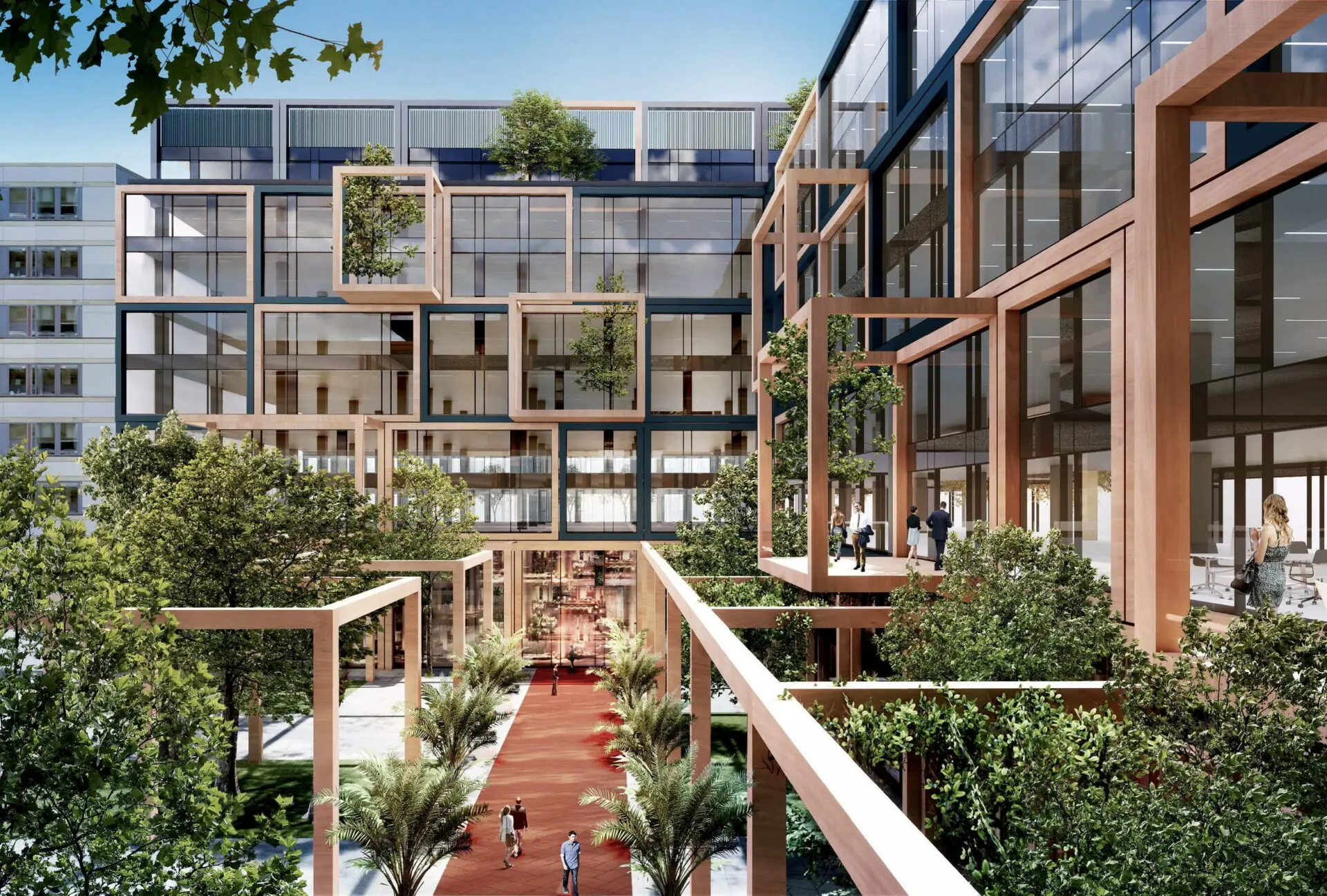
Speculative development activity is historically low. In 2026, the only sizeable speculative handover will be Centerpoint 3 (alongside several smaller projects), leaving speculative new supply limited. International institutional investors, primarily from Western Europe, are expected to return more actively to the office market, supported by attractive pricing and competitive yields in a regional context, according to Miklós Ecsődi, head of occupier services for the office market at Colliers Hungary.
“We see ESG shifting from ‘compliance’ to ‘competitive advantage.’ In 2026, the market will increasingly reward assets that can prove real environmental performance and deliver a healthier, more engaging experience for people,” says Aurelia Luca, executive vice president of operations for Hungary and Romania at Skanska.
“Investors and tenants alike are prioritizing transparency, certified materials, measurable energy data and workplaces where people feel and perform at their best. This clarity supports better decisions, lower operational risks and stronger long-term value,” she insists.
“At Skanska, this is already embeddedinto our development process: from our ISO 14001 environmental management framework to the use of materials supported by Environmental Product Declarations that provide measurable carbon emissions data. We welcome this evolution: sustainability, digital readiness and well-being now define what ‘premium’ truly means, and we are already building for that future in Budapest,” Luca adds.
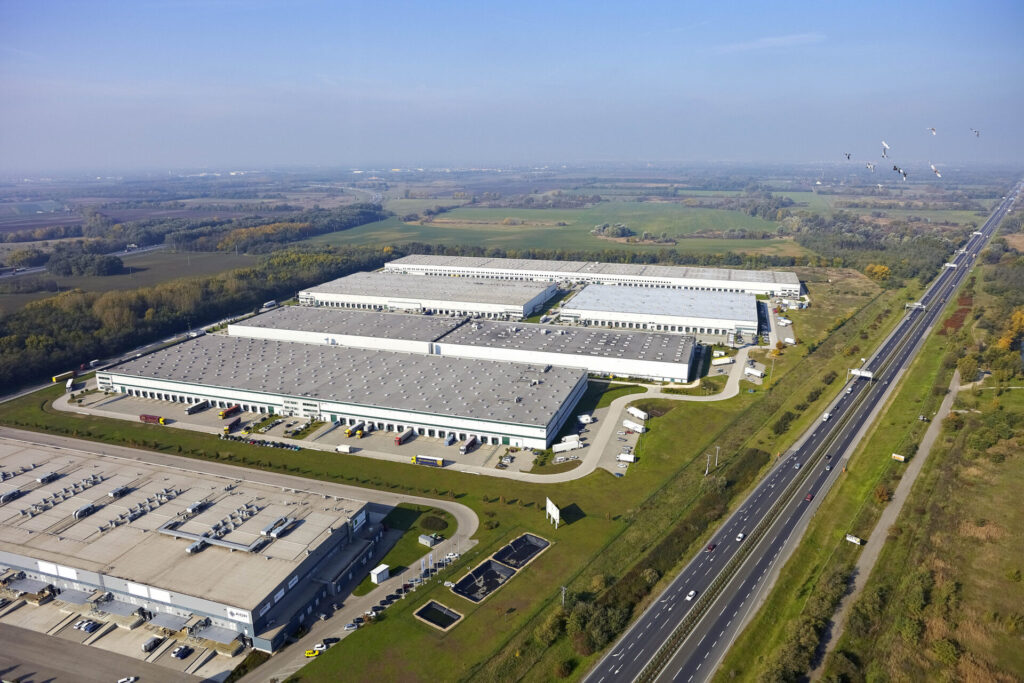
Ferenc Gondi, managing director of CTP Hungary, expects the industrial market to remain stable yet increasingly selective in 2026. Demand will come from production and logistics in equal volumes, and geographic diversification will be increasingly in focus.
“Occupiers will continue prioritizing energy-efficient, ESG-aligned buildings that reduce operational costs and support long-term goals. Development activity is likely to concentrate on future-proof, high-spec projects, while investment appetite will favor institutional-grade assets in prime logistics hubs,” he says.
“Although external economic pressures remain, Hungary’s strategic position, strong FDI base and a well-established logistics infrastructure provide a solid foundation for continued demand in the industrial and logistics segment,” Gondi adds.
Although the industrial and logistics real estate market remained resilient and active throughout 2025, the market shifted heavily toward build-to-suit projects and pre-lease agreements rather than entirely speculative warehouse developments. Speculative leasing activity in the Budapest area has dropped from previous years’ levels, while new supply continued to be delivered, resulting in higher vacancy figures in the most significant submarket.
This reflected a growing need for specialized facilities that incorporate value-added functions such as light manufacturing and assembly alongside traditional warehousing, comments László Kemenes, managing director of Panattoni Hungary.
“For 2026, demand will continue to be underpinned by the restructuring of regional supply chains and nearshoring initiatives. The take-up volume of industrial real estate in Hungary is greatly exposed to the performance of the European automotive sector currently; therefore, developers must remain agile and responsive to the demand for diverse asset types, including hybrid facilities that integrate manufacturing, logistics, and distribution,” Kemenes says.
“ESG is integrated throughout the value chain and will remain a top priority. New projects will emphasize intelligent, sustainable, and occupier-specific solutions, with a continued target for BREEAM ‘Excellent’ certification. The environment for speculative development remains challenging due to restrained occupier demand. However, BTS projects with long-term leases and long-term occupier commitments remain attractive to investors and financing partners,” he explains.
Of the buildings under construction in Hungary in the third quarter of 2025, 20% were BTS, 18% were fully pre-leased, and 62% were speculative, according to iO Partners.
Zsuzsanna Hunyadi, director of leasing and customer experience at Prologis Hungary, expects logistics and e-commerce to continue to be major drivers in 2026, but manufacturing and production activities will remain significant.
“The era of the simple ‘box’ is over; technical and operational requirements are evolving more quickly than the amount of space needed, reshaping what modern industrial real estate must deliver. This evolution further elevates the importance of prime locations and high-quality infrastructure. Real value is created where supply-chain connectivity, workforce availability and strong utility capacities converge, which is why Prologis continues to focus strategically on the Budapest region, where demand is strongest and long-term fundamentals are the most resilient,” Hunyadi says.
“2026 and the years beyond will be shaped less by expansion and more by strategic focus, especially on energy. Over the next decade, energy will become the defining measure of value in industrial real estate, as the traditional trio of location–space–price gives way to the quality and resilience of a building’s energy infrastructure,” she explains.
“With manufacturing, logistics and e-commerce operators raising their ESG expectations, now is the time to invest in functionality, flexibility and credible sustainability pathways. In a shifting market, long-term value will belong to owners who act early and build portfolios that are truly future-ready,” Hunyadi argues.
“Structurally, the market has changed considerably. For 2026, I anticipate continued BTS and pre-let activity, with energy capacity and ESG performance becoming critical differentiators,” adds Máté Szoboszlay, business development investment director at Faedra Group.
Hungary is benefiting from an upsurge in foreign tourism. These improved market metrics are making hotel assets more appealing to investors. Hotel supply additions may exceed 1,500 rooms in 2026. Strong development activity reflects the continued expansion of international tourism and stable demand fundamentals. Investors also view the hotel market as attractive, and interest is expected to remain strong next year, given the segment’s solid fundamentals, according to Balázs Zelles-Görgey, head of capital markets at Colliers Hungary.
In 2026, both the high street and the consistently well-performing retail park segments (characterized by minimal vacancy) are expected to remain attractive to investors, says Anita Csörgő, head of retail at Colliers Hungary. More retail parks are planned, including a Stop Shop in Salgótarján in the first quarter of 2027, although some uncertainties remain. Several shopping center renovations and rebrandings are also underway. Large-scale development activity in the retail sector remains subdued mainly due to the “plaza stop” regulation that limits project size.
Convenience-led retail continues to offer attractive entry points, although permitting remains a bottleneck for the sector. Regional and local players have introduced new strip-mall schemes, and Faedra Group will also launch a project in 2026, according to Szoboszlay.
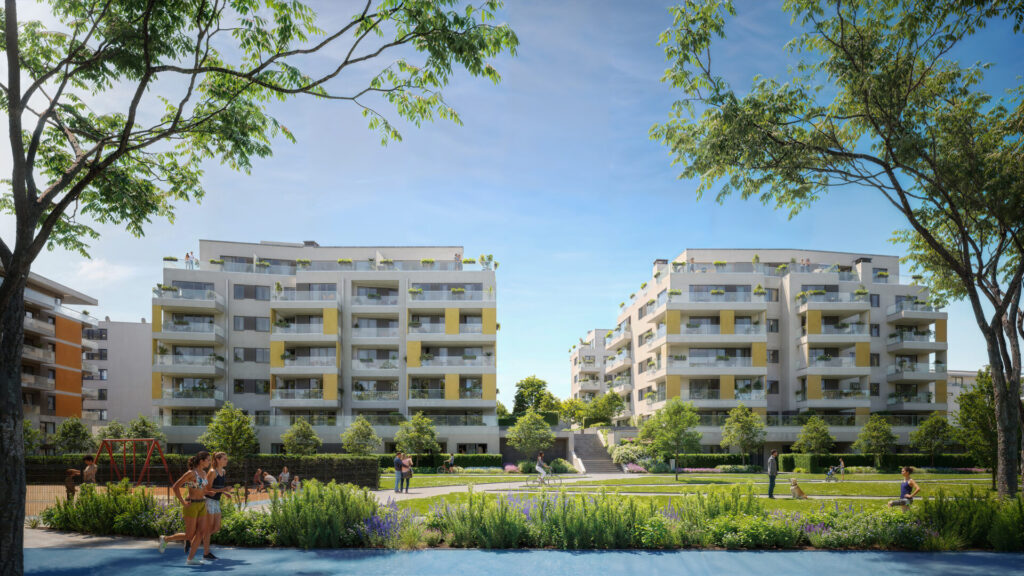
Residential prices are expected to continue rising, though the pace may moderate. Supply shortages persist amid strong demand, with affordability challenges at the forefront.
“The residential sector has entered a clear upswing, driven by improving macroeconomic conditions and the [2025] launch of the [government’s] Home Start program, while the office market stabilized with solid demand for high-quality, energy-efficient and ESG-compliant buildings,” comments Tibor Tatár, head of Wing residential and office development.
“Our upcoming residential projects illustrate the diversity of market needs: the 400-apartment Debrecen development responds to strong regional demand, the Mártonhegy Villapark is a standalone scheme in an exclusive green environment in the Buda Hills, while our planned 470-unit Váci ut project forms the basis of a future mixed-use district where living, working, and services naturally reinforce each other,” he adds.
Faedra Group’s Szoboszlay agrees that residential development has undergone a significant transformation. With both supply-side and demand-side incentives in place, volumes are expected to increase in 2026. Greater Budapest will account for the majority of the new supply, although volumes in the countryside are also likely to rise, he says.
Regina Kurucz, managing director of Rewell Consulting, argues that the newly introduced WELL Residential certification represents a paradigm shift because it translates ESG principles into tangible, evidence-based design interventions that directly impact residents’ daily lives.
“Unlike traditional green building certifications that focus primarily on environmental performance, WELL Residential addresses the full spectrum of ESG concerns: environmental quality through air and water optimization, social value through health equity and community design, and governance through transparent performance verification. This represents a market development that will have a lasting impact on how we design, build, and evaluate residential spaces in Budapest and beyond,” she says.
“I expect ESG and sustainability to remain central drivers, especially in Europe, even if some markets (notably the United States) signal a cooling of the ESG hype. Among major European companies, particularly those already bound by ESG-regulation and compliance regimes, there is little appetite or business logic to reverse course,” comments Zsombor Barta, founding partner at Greenbors Consulting.
“These firms have already invested heavily in systems, processes and organizational change, and having built an ESG-compliant structure, they are likely to continue using it as their baseline going forward. At the same time, I foresee technology, particularly Artificial Intelligence, becoming an increasingly crucial enabler of ESG work,” he notes.
“AI tools can streamline data gathering, automate compliance reporting, detect risks proactively, and structure ESG data in ways that make transparency and comparability more feasible. This technological shift should help dispel much of the ‘fog’ around ESG metrics and allow companies, investors and regulators to move from intention to verifiable impact,” Barta adds.
Szoboszlay argues that ESG will remain a central driver of development decisions. For investors and tenants alike, compliance with EU taxonomy requirements, strong energy performance, and reliable data reporting are becoming essential.
“Developers who integrate sustainability at the earliest design stages will secure better financing terms and a stronger leasing position. I also expect greater emphasis on embodied carbon, circularity, and the long-term operational efficiency of buildings,” he says.
According to Norbert Szircsák, head of ESG advisory services at Colliers Hungary, sustainability is becoming a standard element of all types of asset development today, and its importance will only grow in the future.
“This trend is driven by a range of factors, including financing advantages, ESG expectations from tenants, owners and developers, as well as evolving legislation. Electrification is a key trend: any development using gas boilers faces a significant disadvantage, and district heating systems will remain less favorable until they undergo substantial decarbonization,” he argues.
“Assets that operate entirely on electricity are generally better positioned. While the current emphasis is on energy efficiency, we expect embodied carbon, the carbon footprint of construction materials and building works, to gain increasing importance in the near future,” Szircsák comments
“ESG and sustainability have set benchmarks in our markets and are determining the quality levels that we need to deliver to our tenants, financing banks and at the end of the cycle: buyers. It is the key point of attention when it comes to planning a development. This is highly beneficial to an organization like ours, as we are rejuvenating mismanaged and aged office buildings and such standards allow us to revive office buildings to high norms,” he adds.
Beyond technology, 2026 is likely to see a growing emphasis on concrete results rather than promises, according to Greenbors Consulting’s Barta. The market, including investors, stakeholders and customers, will increasingly penalize “green washing,” he believes.
Companies will be expected to substantiate their sustainability credentials with clear, audited data, measurable outcomes and accountability frameworks. Further, structural societal and economic pressures from climate change, demographic shifts, and resource constraints, together with evolving regulatory frameworks across Europe, will continue to incentivize ESG-aligned operations and investments as a means to manage risk, enhance resilience, and capture long-term value, Barta says.
“ESG will be a core requirement in 2026: financing, leasing and valuations increasingly favor certified, energy-efficient buildings. Development activity will shift further toward green refurbishments, EU taxonomy-aligned projects, and high-spec BTS schemes. At the same time, non-compliant older stock will face growing obsolescence and value pressure,” concludes Newmark VLK Hungary.
This article was first published in the Budapest Business Journal print issue of January 16, 2026.


