


BBJ: You came to Spirit after a career largely in Budapest hotels. What surprised you about running a resort in Sárvár?
Zoltán Árvai: I was fortunate because I had been visiting Spirit with my family for more than 10 years. I already knew it as a guest, and that perspective helps me avoid becoming trapped in everyday routines. We must keep asking how guests experience what we do. What particularly impressed me was the sense of traditional hospitality. More than 120 colleagues, almost half the workforce, have been here for five, 10, or 15 years. Some have been here since the opening. Guests introduce their teenage or adult children and explain that they have been coming since those children were babies. An entire generation has grown up with the hotel. Sárvár also has a close-knit community. The municipality, tourism businesses and other service providers work together for the city’s development. I felt welcomed immediately.
BBJ: How does Spirit compete with established wellness hotels in Austria and elsewhere?
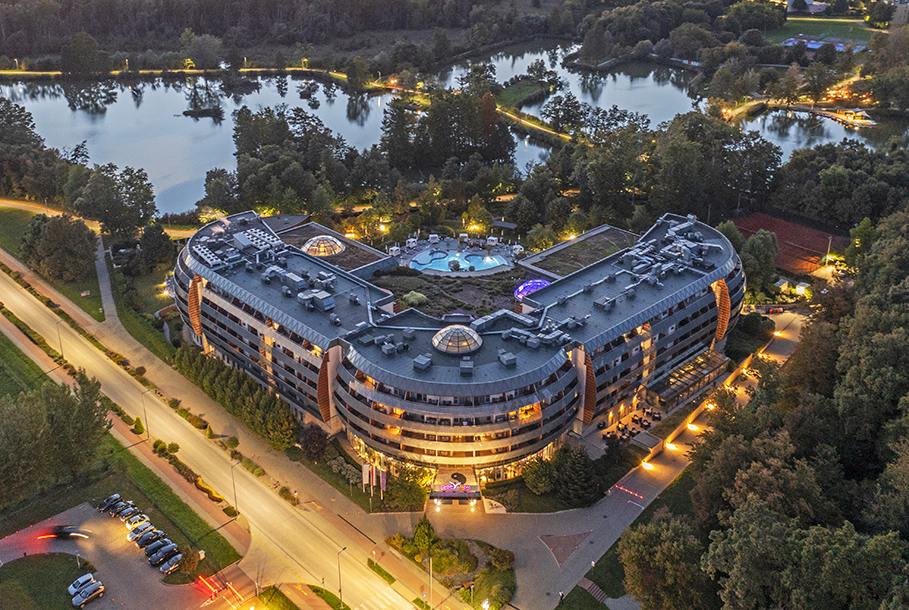
ZÁ: The original concept was remarkably comprehensive, and maintaining that brand over 18 years says a great deal about the owners and the team. Our product and service can stand comparison with international competitors. Price is not necessarily the deciding factor. We are not automatically cheaper than Austrian alternatives. Guests return because they find something distinctive here. One German regular travels by motorcycle several times a year, stays for a week, and has accumulated more than 400 room nights. The wider destination matters, too: Sárvár offers lakes, walking and running opportunities, an arboretum and cultural attractions. But guests can also find everything they need within the hotel’s two-hectare grounds.
BBJ: Spirit combines a luxury resort, wellness facilities and medical services. How do you bring those elements together?
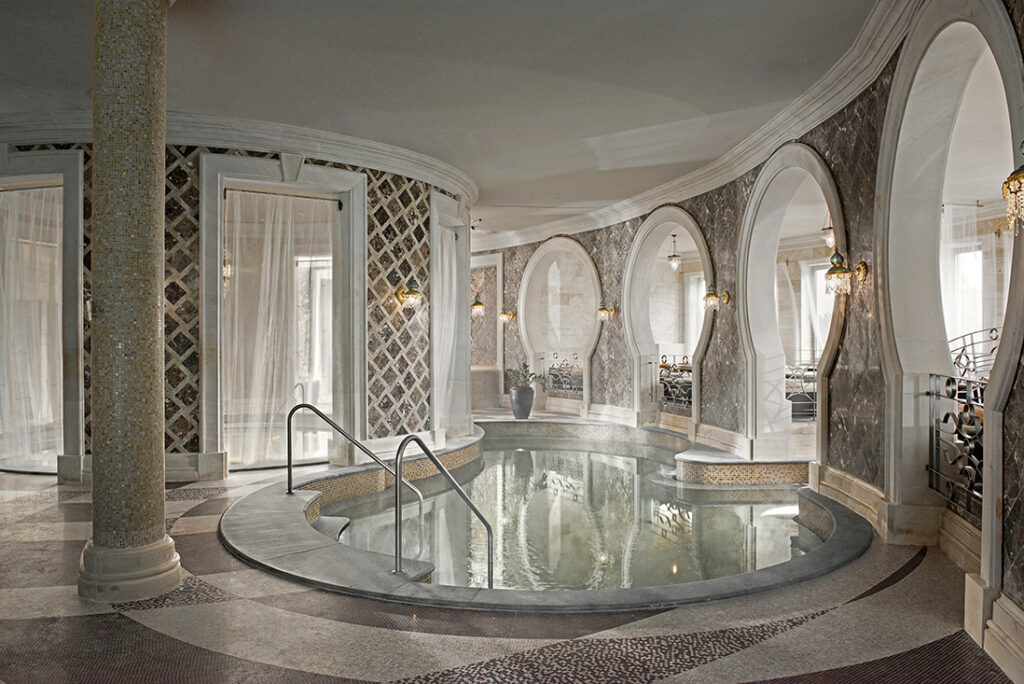
ZÁ: We want guests to understand that looking after their health can be part of a relaxing stay. It doesn’t have to take up their entire day or make them feel like they’ve entered a sanatorium. Someone might swim, eat well, exercise and consult a doctor while still spending most of the day relaxing in the garden or enjoying our 22 pools. Alongside massage, we have physiotherapists and other specialists. We are also exploring cooperation with a medical partner around longevity. The aim is to help guests become more conscious of their well-being while preserving the freedom to choose how they spend their time.
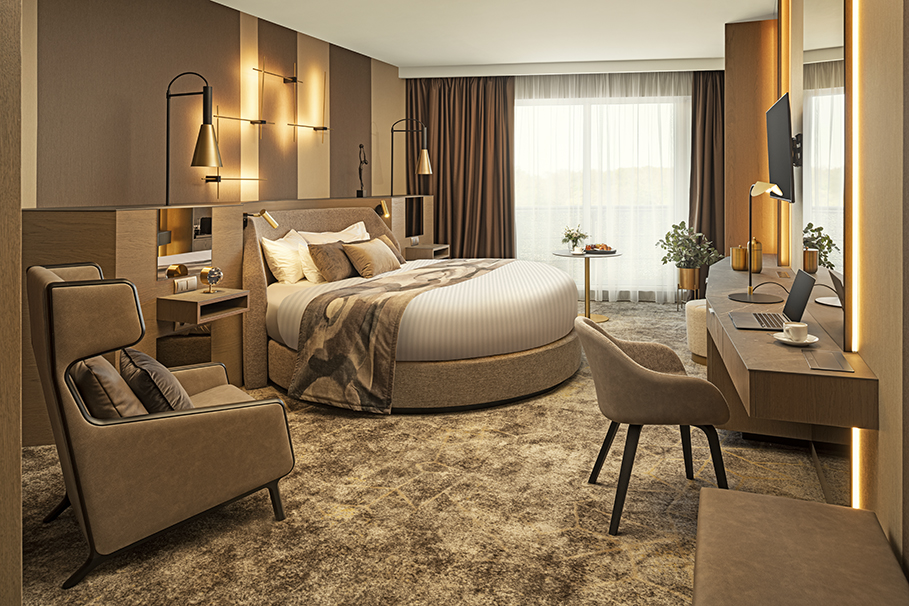
BBJ: Your Sweet Dream sleep program won the “Most Innovative Scientific Medical Wellness Program Award” from the European Spas Association (ESPA). With 59 of the hotel’s rooms designed to reduce electromagnetic exposure, how does this approach translate into the guest experience?
ZÁ: Many guests deal with stress and poor sleep. Beyond providing good food, entertainment, and treatments, we want to offer opportunities to pay more attention to themselves. The room environment is part of that approach, alongside specialized mattresses and personalized support. Our sleep program can combine a medical consultation, dietary guidance, and a sleep-monitoring ring, with the results reviewed afterward. Interestingly, much of the interest in these structured stays comes from abroad. We also offer fasting programs six to eight times a year, supported by a specialist and medical consultation. These are options alongside the usual wellness experience. A guest may simply want to lie by the pool, and that is entirely fine. Our role is to make additional support available to those who want it.
BBJ: How do you maintain the employee loyalty you described?
ZÁ: The fundamental principles are the same in Budapest, London, or Sárvár: personal example, attentive listening, and a consistent leadership culture. Employees will treat guests as we treat them. We cannot expect exceptional service from someone who feels neither supported nor motivated. This year, we trained 45 colleagues, including managers, deputies, future leaders, and employees who work closely with them. Each group has three two-day sessions. The goal is a shared language and a common set of management tools. Some department heads are responsible for around 50 people, so their behavior has a huge impact. This is the beginning of a multi-year program to reinforce consistent values throughout the organization.
BBJ: What are the priorities for the latest investment program?
ZÁ: We have a nearly HUF 1.5 bln investment package for 2026. We considered guest and employee feedback alongside efficiency, returns, and competitiveness. Hungary’s five-star resort market has developed significantly over the past five or six years, with distinctive wellness and gastronomic concepts. Guests have more choices, and we must keep improving. Some investments are largely invisible to them. Heat pumps will reduce our reliance on gas, while our existing solar installation generates around 15-20% of our electricity needs. Our own wells also mean filling the pools does not place that demand on the municipal water network. These developments support the hotel’s operating efficiency.
BBJ: Where does digitalization fit within such a personal service model?
ZÁ: We want to preserve personal relationships while making the operation measurably more efficient. Replacing room locks, for example, is part of a broader consideration of the guest journey and future expectations. We are introducing a digital housekeeping system that we intend to extend to maintenance. At this scale, we need reliable information to understand performance and make decisions based on data rather than impressions. Modernization also extends to finance and other support functions. Behind the experience guests see, we need systems that help colleagues deliver it consistently.
This article was first published in the Budapest Business Journal print issue of October 2, 2026.


