



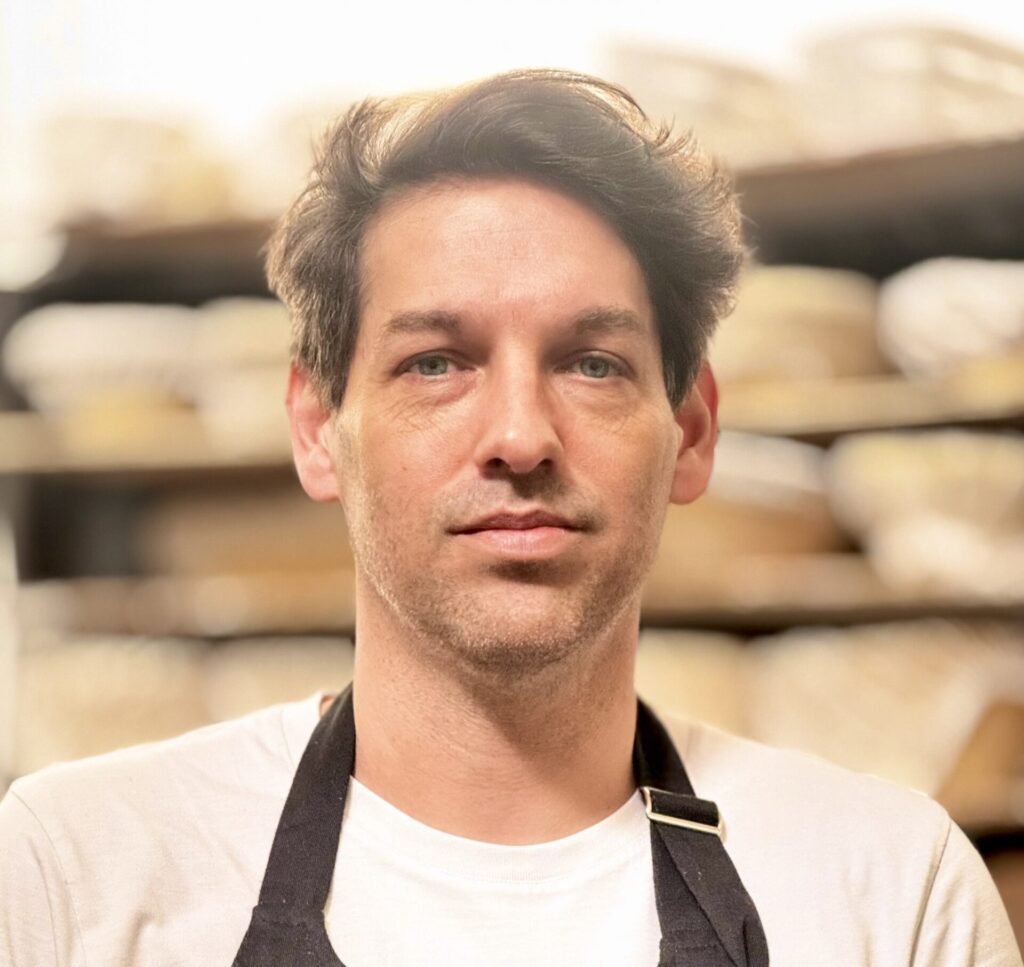
For the new year, I wish myself and everyone to meet as many people as possible. Let’s attend social gatherings and community events, or just chat with friends in a café, or even with strangers! It would be good for everyone, especially Hungarians.
Isolation is a common problem, but it is particularly characteristic in Hungary. We tend to be inward-looking. I think we have been less kind, polite and patient with each other lately. That is why it would be important for us to spend more time in societies. Britons typically pop in for a pint with colleagues after work for a chat. Italians always take time out to share a coffee in a local bar.
But after work, we Hungarians typically get in our cars and go home. Everyone is busy, and the easiest thing to give up is meeting up with friends and relatives. However, social life reduces stress levels, increases our sense of security and even has a positive effect on our immune system. So, I wish you and everyone a happy and social 2026!
Mihály Miklós is the founder and managing director of Marmorstein, a Budapest bakery specializing in high-quality vadkovászos (wild yeast sourdough) bread.
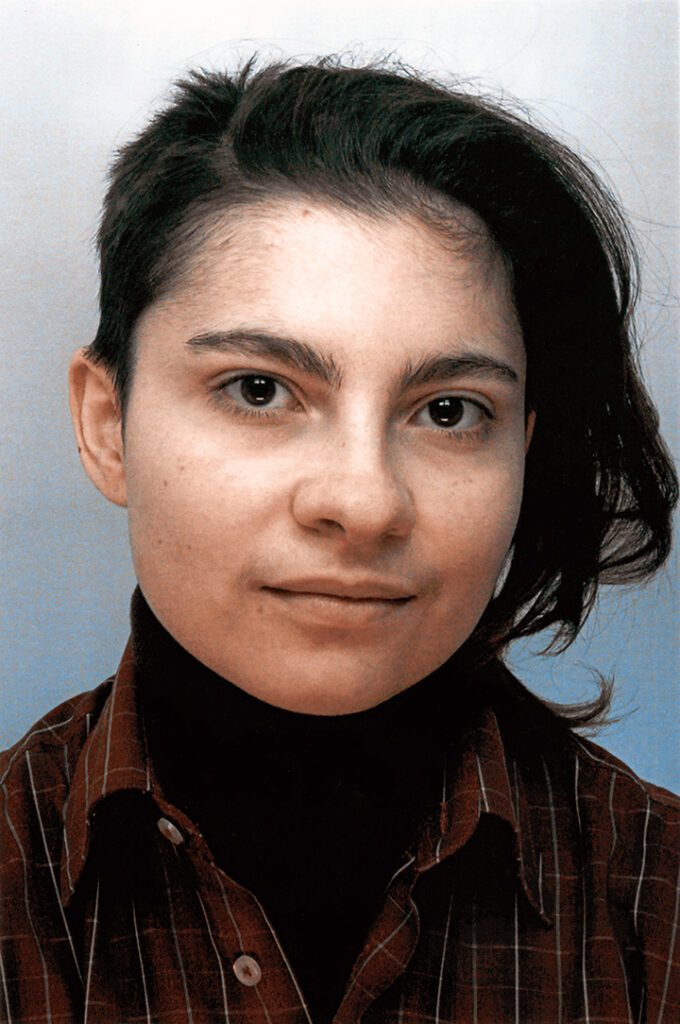
It could be anyone. Students, office workers, a marine biologist, or a lorry driver: each discipline, profession, and hobby offers its own expertise. Some have been writing for local fanzines and early internet forums since before my generation was even born. Our products are hard to market, demand precious time and money, and most of us cannot make a living out of them.
I am, of course, talking about what is widely considered “the backbone of fandom.” Creatives that make art for zero or minimal profit, because they can, they want to, and they must. Far from simply being a form of escapism, artists’ frustrations with political culture, social trends and even deeply intimate aspects of personhood can seep through and become important messages of their own.
Original collaborations often start here as well, since we already have an idea of individual styles and how each person works under pressure. Where money is scarce, favors can still be exchanged; we offer our editorial skills, drawings, writings and even our own voices for projects with less financing than a basement show. And next time? Those same people are ready to help us.
My wish is for a fairer, more supportive environment for professional and amateur artists alike. I wish anyone working on a seemingly insignificant project to stay motivated, to find their footing and inspiration in the company of others and to be able to fuel that spark, because we can, we want to, and we must.
Farkas Pósfai is a BA student in International Relations at Budapest’s Elte University

2026 will be a key year for many towns and cities across the country where battery-industry investments are underway. In several places, production will begin this year; elsewhere, years-long legal disputes between civic groups and authorities may come to an end. In yet other locations, more investments are being revealed as connected in some way to the battery industry. All of this is true for Debrecen, where the editorial team of Debreciner is based.
As a resident of the city and a journalist, I could not wish for anything else for 2026 than a high level of awareness on the part of citizens and, when necessary, the ability of the authorities to resist economic and power interests. I also wish that hazardous industrial plants do not endanger the environment, wildlife, or the local population.
With the arrival of workers at the new plants, Debrecen’s population has suddenly become very international. For conflict-free coexistence, above all, I wish for tolerance, openness, and a fundamental respect for different cultures.
Finally, so that there are people who can report on what is happening around battery-industry investments, I wish for the existence of independent local media in every county of Hungary, media prepared to report on important issues. Unfortunately, this is not currently the case. The few independent media [outlets] that can credibly report on local issues are very limited in number and short of financial resources. I, therefore, wish for a positive change in the state of the local press throughout the entire country.
Tamás Polgár Tóth works as a journalist for Debreciner, an independent local newspaper based in the east Hungarian city of Debrecen.
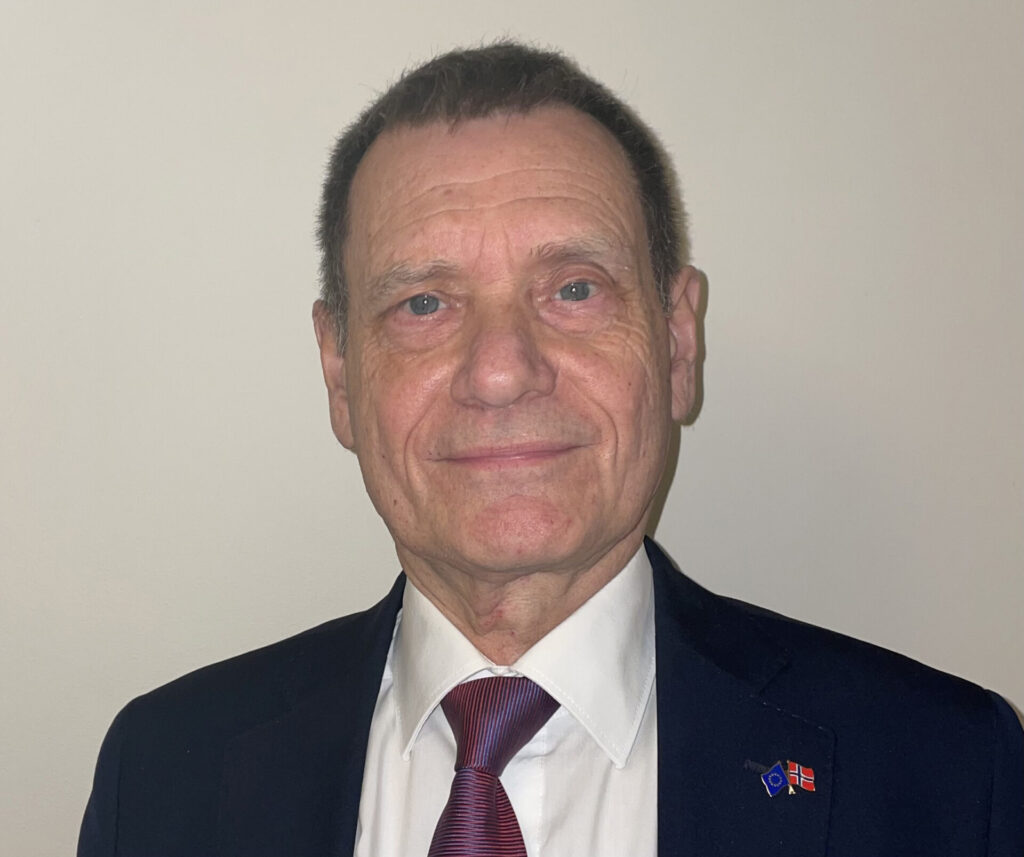
My wishes for 2026 are flavored by my life as a diplomat. I wish Norway would join the European Union, and also allocate a large sum from its oil fund for the defense of Ukraine, for instance, EUR 100 billion. I believe both would be welcomed by many, Hungary included.
I grew up in a small industrial town on the west coast of Norway. The memories of Nazi occupation were near. I saw and experienced growth and optimism. We believed in freedom, order and prosperity. The UN, Council of Europe, OECD, NATO, Nordic Council, and EFTA were terms with practical meaning. Norway integrated and became a successful part of the globalized economy.
But now, in Europe and elsewhere, optimism has changed into pessimism, even despair. We have a common task in turning this around! Norway joining the EU would be a signal to foes and friends alike that we believe in European strength, integration and solidarity.
The Norwegian oil fund now stands at about EUR 1.8 trillion. Norway is already a major donor to Ukraine, transferring about EUR 7 bln per year, but this is very far from our financial capabilities. Russia may be able to hold some conquered territory, but that was never the original war aim. A very large Western donation directly into Ukraine’s successful defense may convince the aggressor to reconsider.
I wish Moscow would seek peace and at minimum return to the rules concerning security and cooperation agreed in Helsinki in 1975, and further developed in the 1990 (Paris) Charter for a New Europe, and the 1999 (Istanbul) Charter for European Security.
I have wishes for success and well-being for family and friends too, but I believe those can absolutely best be fulfilled if we push back the forces, on each side of the Atlantic, intent on undermining agreed rules and on a return to cynicism, violence and the “Great Power politics” of centuries past.
Olav Berstad joined the Norwegian Foreign Service in 1980 and served for 43 years, including stints as ambassador to Ukraine and Belarus, and Hungary and Slovenia, the latter based in Budapest from 2016-20. In retirement, he is now writing a book on Norway-Ukraine relations from the Viking era to the present.
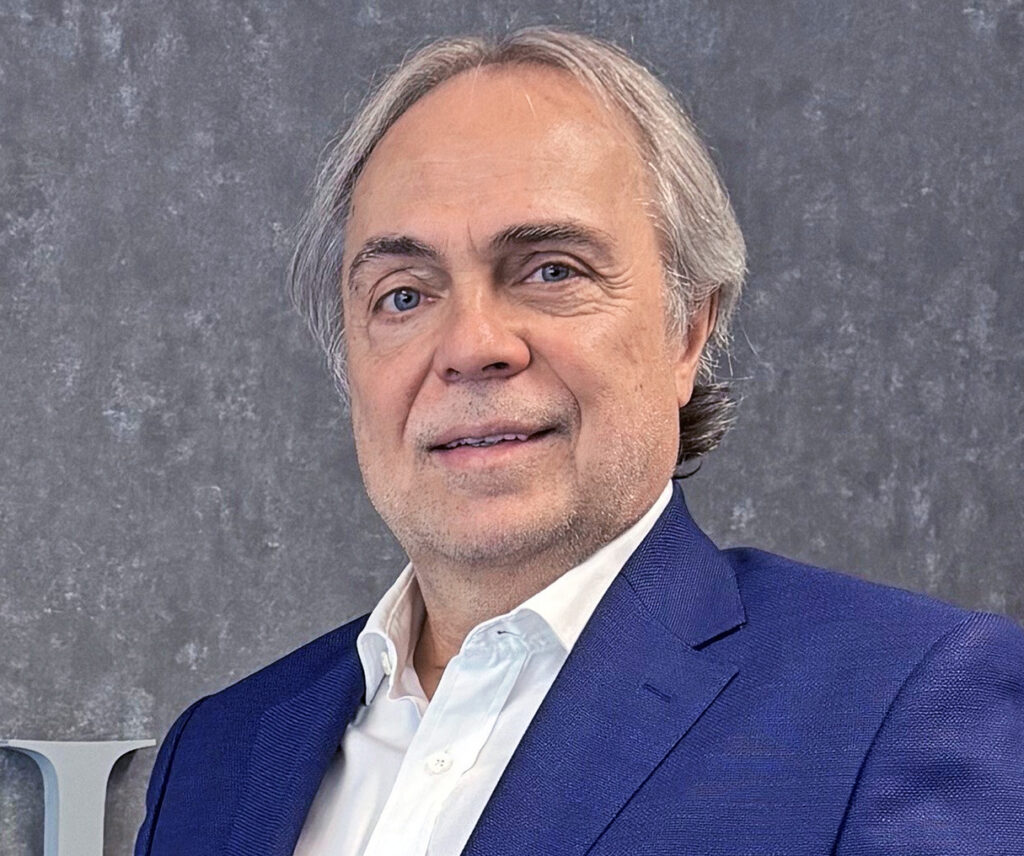
My New Year’s wish is that people should use the language of love more and better. In 2026, and always thereafter, may communication at every level be conducted in the language of love.
In the 1990s, the American psychologist and writer Gary Chapman articulated the idea that the way a person expresses and experiences love is, in itself, the love language. Naturally, this takes many forms: everyone understands and lives the language of love differently. For some, it is small gestures; for others, compliments; for still others, kind and gentle words that convey and interpret love.
Yet the emphasis lies in this: that everyone should try to communicate in the language of love. People with one another, on every level. On the level of romantic relationships, where the language of love determines the direction in which a relationship evolves. On the level of families, where instead of violence, rigid traditional roles, and inherited patterns, problems (and their possible solutions) are articulated in the language of love.
On the institutional level, where commands and coercion give way to polite requests, and expectations are explained through the language of love. And on the level of politics, where it is not the demagoguery of different political groups that seeks to silence opposing views, but the language of love that persuades; that does not divide and separate, but creates unified, though not necessarily uniform, communication.
The language of love should be taught in schools. But more than that, it should be practiced there. In school and, of course, in kindergartens.
If in 2026 we, individuals, groups, institutions, states, and countries, communicate with one another in the language of love, this will bring patience and peaceful coexistence by 2027; human and civilizational consensus by 2028; and by 2029, a more beautiful world will greet us.
Perhaps sooner, perhaps a little later, but a world in which no other language is understood anymore, only the language of love, throughout the entire Universe.
János Takács is currently managing director at the Hungarian Dairy Research Institute (MTKI). His long and varied career has included stints as CEO of S.C. Zaharul Oradea (a Pfeifer & Langen Group Company) and CEO of Electrolux Hungary.
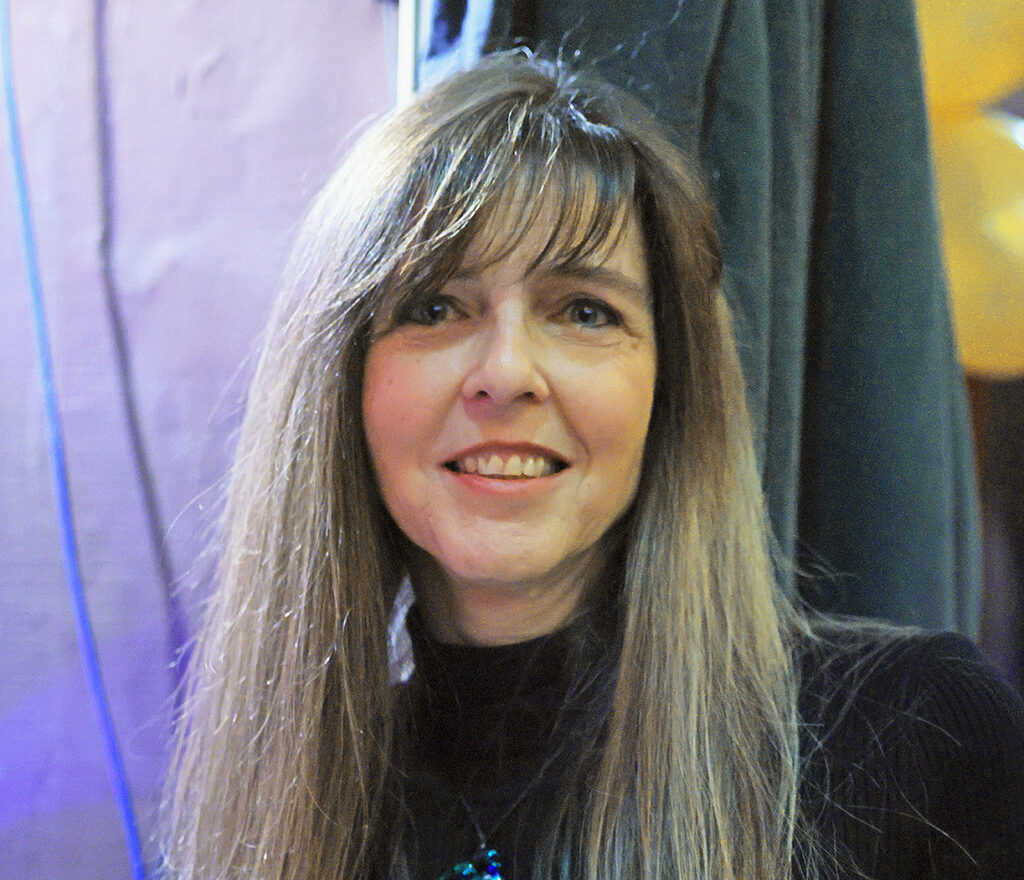
As a programmer, I am deeply interested in and concerned about the rise of Artificial Intelligence in our world. The exponential growth of AI has already pushed us into a spiral of confusion in which it is increasingly difficult to decide what is real and what is not. AI has a good sense (using algorithms) of what people like, so for each individual, it can easily blur the line between reality and fiction, or what IT professionals term “hallucinations.”
At the same time, AI opens up tremendous opportunities for research across history, physics, and medicine, as it can quickly and efficiently analyze large amounts of data. In many areas, it can replace human work, as it can be more accurate, faster, and retain unimaginable amounts of information.
However, it cannot learn creativity, the very trait that defines us as humans. It can only create something new from what already exists. Innovation remains a fundamentally human quality, even if AI can generate new developments from the vast amount of data available to it. This means unique, distinguished talent will always have a place in the world.
As a music critic and concert organizer, I watch AI’s expansion in cultural life with growing concern. AI has now reached a level of realism where it is becoming nearly impossible to tell whether an image, video, or piece of music has been created by a human or machine.
This is where expertise becomes crucial, because soon only trained professionals will be able to filter out false claims, flawed conclusions and “hallucinations,” fiction appearing as fact.
Because of this, I believe that the value of live performances will increase. Yet it is also likely that the masses will enjoy whatever AI creates for them, after all, it is built to mimic the average music that is usually the most popular among the masses.
My wish is that we learn to use AI wisely, but filter fact from fiction and appreciate genuine, human-created works. To achieve this, it is essential to teach children from a young age that not everything they see is true. Educators must understand and pass on the difference between the human and the non-human world.
Réka Irk is a Budapest-based computer programmer and head of the Jazz.hu Cultural Foundation.
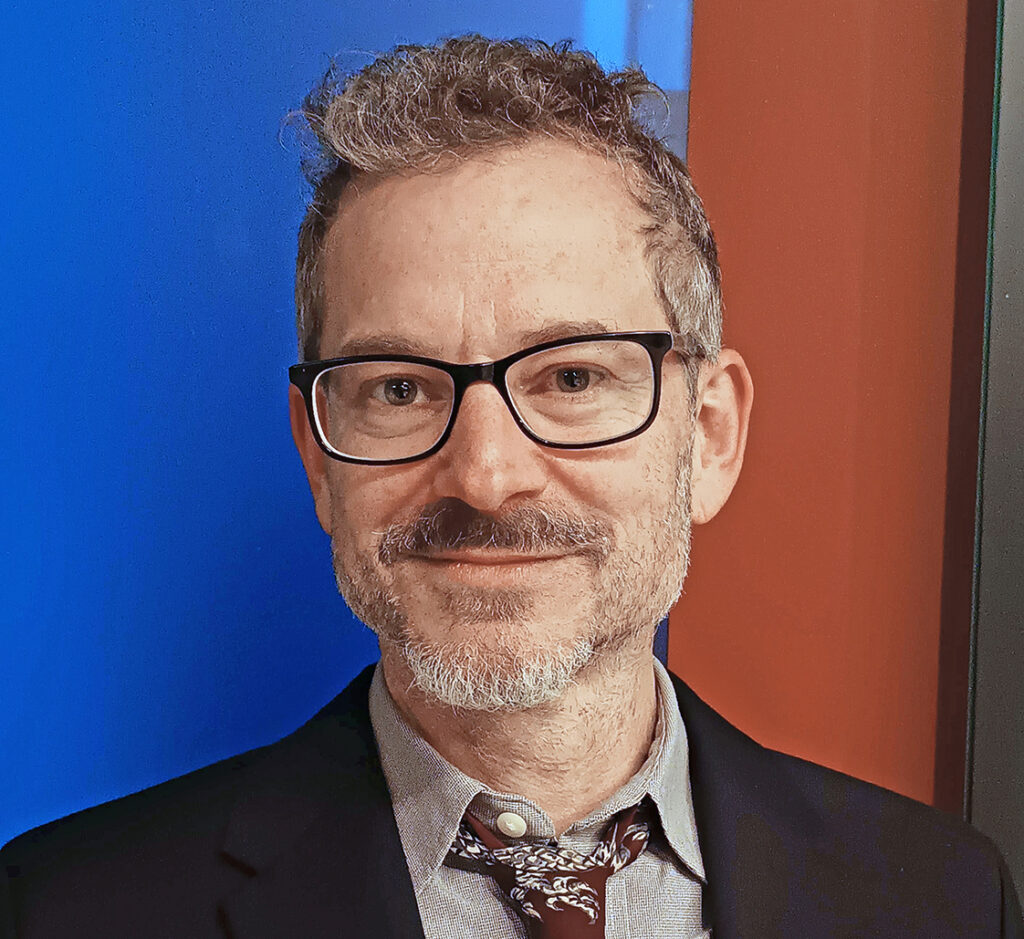
My wish for 2026 is that we finally calm down about AI. As head of content design at a software company, I work with AI tools every day. Not in theory, not as a headline, but as part of ordinary work: drafting, researching, organizing, testing ideas. From that vantage point, one thing has become very clear to me: AI is neither the miracle some promise, nor the menace others fear.
It is powerful, sometimes surprisingly so, but in specific, bounded ways. It can accelerate work, surface patterns, reduce friction in relationships and help people clarify ideas. Used well, it saves time and mental energy. Used badly, it produces confident nonsense, amplifies weak thinking, and creates the illusion of understanding where none exists.
Much of today’s public conversation swings between these extremes. AI is framed either as a magical replacement for human judgment or as an existential threat that will hollow out work, creativity, and meaning. I’ve seen neither of these futures in practice. What I see instead is a tool that requires literacy, restraint, and context, and that fails quickly when those are missing. History suggests this phase is familiar.
New technologies often arrive surrounded by projection and anxiety before they settle into everyday life. My wish for 2026 is that AI enters that next phase: quieter, more sober, and more integrated. For businesses, that means understanding where AI genuinely adds value, and where it absolutely does not. For individuals, it means learning how to collaborate with it without outsourcing thinking or responsibility.
And for the media, it means fewer apocalyptic headlines and more clear-eyed reporting. AI will not save us, and it will not doom us. But understood properly, it can help, which, in the end, is what all tools quietly do. And yes, AI helped me write this. The thinking, however, was still my responsibility.
Michael Zwecker, originally from Rockport, Maine, USA, is head of the content design office of LastPass.com in Budapest.
This article was first published in the Budapest Business Journal print issue of January 16, 2026.


