



A survey by the Business Council for Sustainable Development in Hungary (BCSDH), conducted with professional support from Deloitte and just published for the third time, reveals that 66% of Hungarian companies with a sustainability focus have already set specific climate targets.
Additionally, the number of businesses measuring emissions across their entire value chain has doubled, reflecting a significant shift in corporate climate strategies.
The findings of the third “Towards Net Zero” survey indicate substantial progress in emissions data collection, both in terms of direct corporate operations and purchased energy consumption. Furthermore, companies have begun expanding emissions tracking to their supply chains, a development principally attributed to tightening European Union regulations.
However, despite these positive trends, the survey highlights a substantial gap between commitments and concrete action. While 91% of businesses report experiencing the effects of climate change, only 16% have implemented climate adaptation action plans.
According to Irén Márta, managing director of BCSDH, “the need for adaptation is just as pressing as emission reduction. The transformation must go beyond goal setting. Systemic changes and a significant increase in efforts are required in both areas,” she emphasized at the event presenting the survey results.
Hungary’s per capita emissions currently stand at 5.6 tonnes per year. In contrast, the goal of the Paris Agreement (which newly returned President Donald Trump has just withdrawn the United States from), that of limiting the rise in temperatures since the Industrial Revolution to no more than 1.5°C, requires this figure to drop to 2 tonnes.
The survey results indicate that 26% of leading Hungarian companies have set science-based emissions reduction targets aligned with this climate objective. While this figure surpasses the global average, it still falls short of what is required to achieve the necessary reductions.
The urgency of this situation has become even more evident, as 2024, the hottest year on record, marked the first year global warming exceeded the 1.5°C threshold.
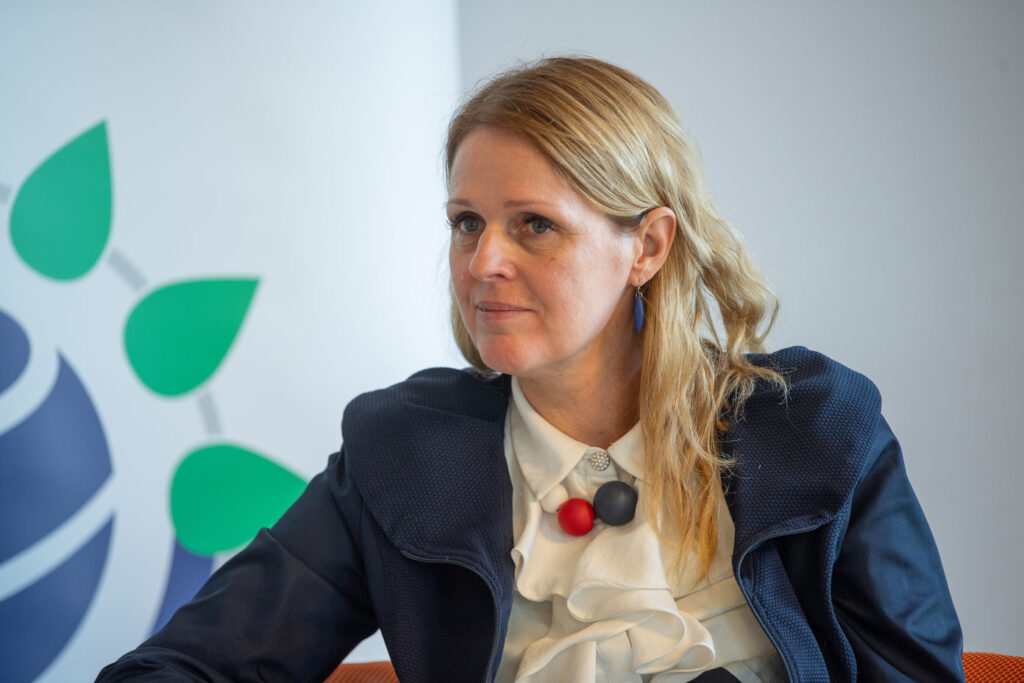
“Hungary has already reduced its emissions by 43% between 1990 and 2023, reaching its original 2030 emissions reduction target ahead of schedule,” said Barbara Botos, climate ambassador at the Ministry of Energy. “As a result, the country has now committed to a 50% emissions reduction by the early 2030s under its revised National Energy and Climate Plan.” There was also some good global news, she noted.
“Global emissions should peak now and start a steady decline. To keep warming below 1.5 degrees by the end of the century, we must reach net-zero emissions worldwide by 2050 at the latest.” Botos emphasized that “companies must go beyond pledges and implement practical measures to achieve net-zero goals.”
Among the key strategies being deployed, the increased use of renewable energy sources and energy efficiency improvements stand out as the most prominent. Businesses can also access domestic incentive programs and funding opportunities to support their sustainability efforts.
The BCSDH survey highlights the primary pathways Hungarian businesses pursue to reduce emissions. A significant portion of companies aim to achieve emissions reductions by enhancing energy efficiencies. Many plan to increase the use of renewable energy sources to minimize their environmental impact. Additionally, numerous firms are focusing on circular economy solutions within their value chains to improve sustainability.
Although these numbers reflect a growing awareness of corporate climate responsibilities, experts warn that substantial challenges remain in implementing effective climate action.
Flóra Borek, senior manager at Deloitte’s sustainability and climate change advisory team, pointed out that “68% of Hungarian companies are already measuring emissions from their operations and purchased energy. More notably, 43% of respondents are tracking greenhouse gas emissions data across their entire value chain, a significant improvement from 20% in the 2022 survey,” she said.
“This increase demonstrates the impact of stricter regulations and heightened investor expectations,” Borek explained. “Businesses are increasingly expected to move beyond internal operations and integrate comprehensive emissions management strategies across their entire supply chains.”
Transportation is a critical area in the push for corporate decarbonization. Fleet management companies, such as Ayvens (formerly ALD Automotive/LeasePlan), play a key role in supporting businesses in reducing emissions from corporate mobility.

“Sustainability efforts must go beyond simply transitioning to electric vehicles. Beyond our own sustainability efforts, we focus heavily on raising awareness among our clients and developing sustainable mobility solutions for them,” Tímea Pesti, CEO of Ayvens, highlighted.
“Achieving carbon-conscious operations requires a fundamental shift in how businesses approach fleet management. Instead of viewing corporate vehicles as status symbols or business perks, companies must recognize them as practical tools that serve real-world needs. This shift requires a new way of thinking at the corporate level,” Pesti emphasized.
Ayvens’ commitment to sustainability has been recognized internationally, as the company was awarded the EcoVadis Platinum certification in 2024, placing it among the top 1% of globally assessed businesses in terms of sustainability performance.
The BCSDH survey results underline that Hungarian businesses face mounting pressure to accelerate their sustainability efforts. This pressure comes not only from domestic regulations but also from international parent companies and key export markets, particularly Germany, where climate-conscious policies are shaping supply chain expectations.
With European businesses enforcing strict sustainability targets on their suppliers, Hungarian companies must align with these evolving standards to maintain global competitiveness.
Although some Hungarian firms have made significant strides toward full-scale sustainability transformations, the broader corporate landscape still lags. A major issue is that many companies have not yet backed up their emissions reduction targets with precise measurement frameworks, particularly regarding value chain emissions.
Experts agree that increasing regulatory scrutiny is inevitable. The European Union’s Corporate Sustainability Reporting Directive is set to require businesses to provide more comprehensive climate disclosures, meaning “companies that fail to act may face financial penalties and lose investor confidence,” the survey finds.
As climate-related risks continue to rise, “companies that do not adapt risk significant reputational and financial damage.” While leading enterprises are already integrating sustainability principles into their long-term strategies, a broader and more aggressive acceleration of corporate climate action is needed to ensure Hungary meets its commitments and remains competitive globally.
This article was first published in the Budapest Business Journal print issue of February 7, 2025.


