



The event features groundbreaking discussions on digital citizenship, artificial intelligence, and sustainable innovation.
Bringing together thought leaders and innovators for the first time, the four-day event featured a rich program of international conferences, workshops, and interactive exhibits. With topics ranging from digital citizenship to artificial intelligence, the summit sought to highlight the symbiotic relationship between technology and society, emphasizing sustainability and inclusivity.
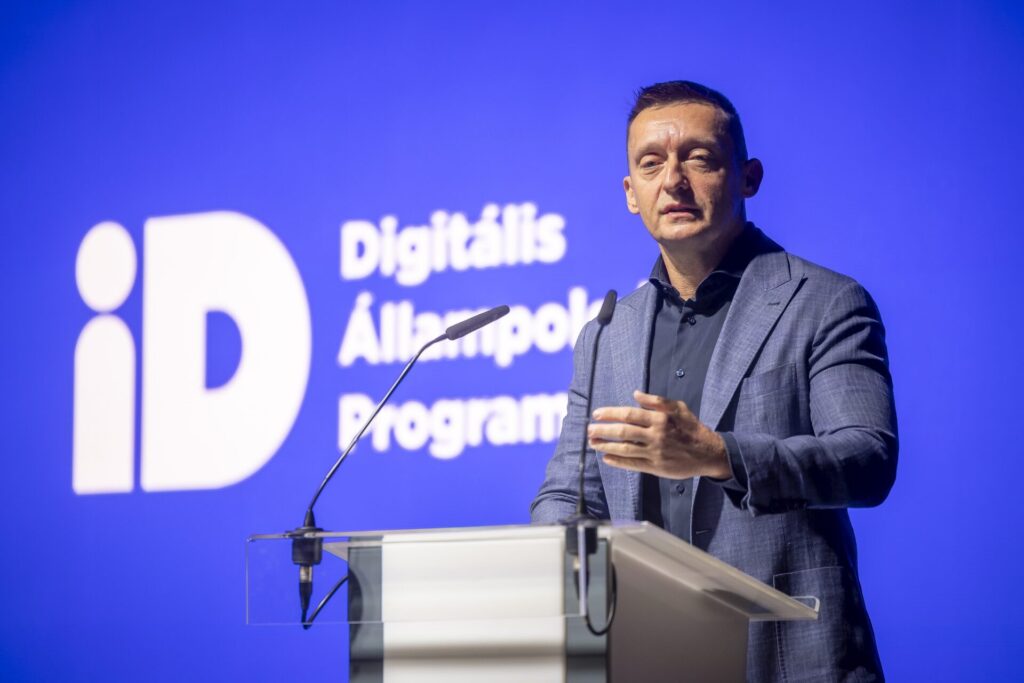
Opening the summit, Minister for the Prime Minister’s Cabinet Office Antal Rogán underscored the importance of the Hungary’s Digital Citizenship Program in revolutionizing public services and administrative processes.
“I am confident that the Digital Citizenship Program application will gain the support of the masses; many will use it because they will see that it is easier to do business and identify themselves,” Rogán said.
He emphasized the potential environmental and bureaucratic benefits of adopting digital solutions, including digital signatures and IDs, which align with the government’s goals of reducing waste and streamlining bureaucracy. Launched in September, the DCP has already been downloaded by 360,000 users. Rogán set an ambitious target of reaching three to five million downloads by 2026.
“A quiet digital revolution is unfolding, seamlessly integrating technology into our daily lives. It’s up to each individual to decide how they engage with this transformation,” he remarked, emphasizing the need for user agency in managing digital footprints.
Rogán outlined three key responsibilities: creating intelligent regulations to govern the digital landscape, expanding the accessibility of public services through digital platforms, and ensuring the security of digital transactions. Following Rogán, András Both, CEO of the Digital Hungary Agency, stressed the importance of tailoring digital services for younger generations and streamlining access across public and private sectors.
“The DCP is not just a gateway; it’s a key to unlocking new opportunities for innovation and growth,” Both said.
Globally recognized futurist Gerd Leonhard expanded on the collaboration between humans and AI, emphasizing the technology’s role in complementing, rather than replacing, human intelligence.
“AI is here to augment human capabilities, not replace them,” Leonhard stated, adding that automation could free up time for more creative and value-driven pursuits.
A major highlight of the summit was György Huszics’s presentation on “Sustainable Digitalization,” shedding light on the environmental costs of digital technologies. As co-founder of Carbon.Crane and CarbonClass, Huszics pointed out that digitalization, while beneficial, has a significant carbon footprint.
“Digital technology poses a substantial environmental challenge. For instance, 350 billion emails are sent daily, many of which are unnecessary and remain unread. Similarly, the maintenance of 200 million active websites contributes to environmental strain,” he explained.
Despite these challenges, Huszics expressed optimism about optimizing digital tools to reduce their environmental impact. Using data from Hungary’s top companies, he demonstrated how the environmental footprint of common digital activities, such as online shopping, could be significantly minimized with targeted interventions.
Gábor Bojár, founder of Graphisoft, contextualized these discussions by tracing the historical evolution of technology. Bojár identified three transformative eras: the invention of speech, the advent of writing, and the ongoing revolution in information processing.
“The impact of the digital revolution will far surpass that of the industrial revolution. We are only beginning to grasp its full potential,” Bojár asserted.
From Friday, Nov. 22, Techxpo opened its doors to the public, offering a wide range of interactive experiences and exhibitions. Attendees could explore cutting-edge innovations, such as smart devices and virtual reality technologies, while engaging in discussions on how technology intersects with fields like literature, fashion, and sustainability.
Interactive activities included a Red Bull F1 pit stop challenge, e-sports meet-and-greets, and a showcase of the PlayStation 5 Pro. Visitors were also treated to a Star Wars exhibition, Minecraft simulations, and a vibrant cosplay showcase. The event emphasized the concept of digital citizenship, allowing participants to experience its responsibilities and privileges.
Techxpo’s success lay in its ability to bridge the gap between technological advancement and societal needs. By fostering discussions on critical issues such as data security, AI and environmental sustainability, the event provided a platform for exchanging ideas and solutions that address contemporary challenges.
Additionally, the emphasis on partnerships and collaboration ensures that the event’s impact extends beyond its four days. With an ambitious goal of becoming Central Europe’s leading technology summit by 2026, the expo aims to position Hungary as a hub for technological innovation and forward-thinking solutions. The discussions and initiatives launched during the event are expected to drive tangible results, including new policies, innovative business models, and a stronger global presence for Hungary’s tech industry.
By hosting international thought leaders and showcasing innovative technologies, Techxpo 2024 not only celebrated the present but also provided a vision for the future, one where technology serves as a tool for positive change in society.
This article was first published in the Budapest Business Journal print issue of December 13, 2024.


