


Where do investors come from, and what are the projects that attract them?
Hungary is finishing 2025 with a strong year of investments behind it, with a number of outstanding projects and transactions, the experts say.
“If we are looking at strategically important transactions, surely one must focus on topics impacting hundreds of thousands or even millions of citizens in Hungary,” states Iván Sefer, partner at EY Law Hungary.
“Examples are the ongoing motorway concession-related works, where large parts of the Hungarian road infrastructure are being developed and expanded. Similarly, the railroad projects such as the Budapest-Belgrade line are considered landmark transactions,” he comments.
Regarding the energy sector, Sefer notes that significant transactions include “the various upgrade-related projects impacting the Tisza and Mátra power plants,” while the “fate of the Paks II project is a key area of interest,” he adds.
“In the corporate space, there are interesting deals across a wide array of industries, such as agriculture, FMCG, pharmaceuticals, and with more in the defense sector. Lastly, there are some significant restructuring-type transactions in progress, regarding significant market players in their sectors, employing a large workforce, and the fate of these companies draws significant strategic interest,” Sefer notes, highlighting the liquidation of the Dunaferr steel conglomerate and the Ganz Rail Repair Company as key examples.
According to Róbert Herodek, transaction services director at PwC Hungary, “The technology sector demonstrated the highest deal volume in 2025, both in terms of announced and completed transactions. This included software development, cloud-based solutions, ERP systems, cybersecurity, gaming, and medical technology,” he says.
“This concentration reflects a strong trend toward digital transformation across industries. Companies are increasingly investing in technology to enhance operational efficiency, enable remote work, and improve customer engagement. Additionally, heightened concerns over data security and regulatory compliance have fueled demand for fraud prevention and cybersecurity solutions,” Herodek notes.
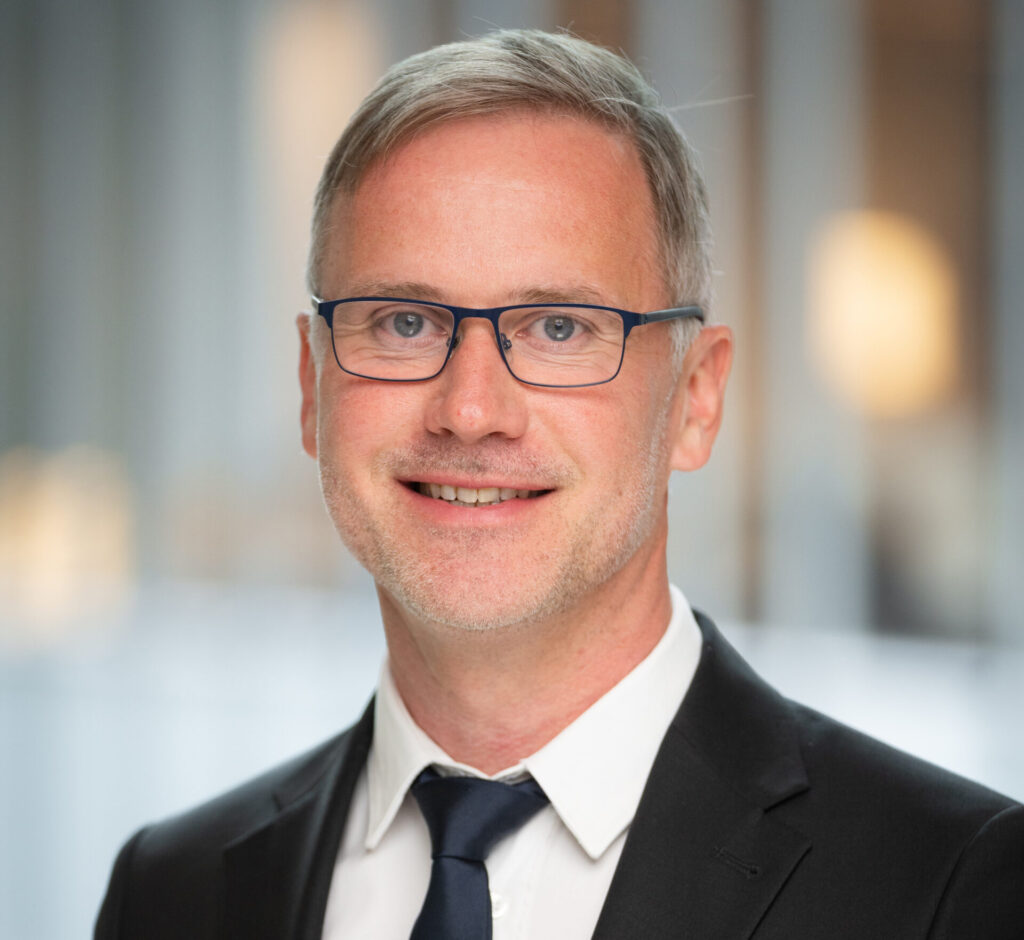
Regarding the domestic economic factors that affect investment trends, Herodek underscored Hungary’s “competitive tax regime [with a] 9% corporate tax rate, and government incentives including cash subsidies, EU grants and R&D funding,” which creates a “highly favorable environment for both domestic and foreign investors,” he says.
“Strategic state involvement also played a key role, particularly in defense, cybersecurity, and energy projects, aligning with national security and industrial policy objectives,” Herodek adds.
Sefer comments that “The trend this year seems to be that decisions on investments are slowed, postponed or sometimes even cancelled. However, in times like these, there are always countercyclical investments, and the Hungarian state has also been very active in various sectors.”
He adds that “An interesting trend we see continuing is that several national champion blue chip companies have become true regional powerhouses, and they actively invest not only in the wider region, but globally. This clearly bolsters the strength, importance and reputation of the Hungarian corporate sector.”
Although the country saw significant foreign and domestic investments this year, Sefer highlights that “due to macroeconomic and budgetary reasons, the funds available to support foreign direct investments into Hungary via various grants and incentives have decreased. This has resulted in a dip in these types of transactions,” he believes.
“The focus of the Hungarian Investment Promotion Agency seems to have clearly shifted towards the attraction of high added value and R&D type investments.” Sefer adds that “in terms of the domicile of investors, we see immense variety: there are the usual ‘suspects’ from the U.S. and Western Europe, and investors from China, South Korea and Japan, but we also see more deals arriving from the Middle East and Turkey. Regional transactions, especially in the Balkans, are also popular,” he identifies.
Herodek lists China and the United States as the most significant non-European investor countries for 2025.
“Hungary has emerged as Europe’s leading destination for Chinese manufacturing investment, [as] large-scale Chinese projects underway in Hungary total approximately EUR 16 billion, spread across 64 major developments,” the PwC director says.
In the mergers and acquisitions sector, “the United States emerged as one of the most active non-European investors in Hungary,” after completing three significant transactions in 2025. “Two of these deals were in the computers and electronics services sector, while one was in the food and beverage segment,” Herodek states.
Romania was identified by Herodek as the largest European investor country, having completed three transactions in the past year. “These included one deal in the utility and energy-gas sector and two deals in the chemicals sector,” he comments.
“The world has become a very fast-moving and interesting place,” Sefer notes. “There are paradigm shifts that all have a profound effect on Hungary’s status and economy; the rapid development of AI, China’s emergence as a global superpower, the behavior of Russia and the change in the United States’ foreign policy, to name just a few,” he adds.
It is a point of view that Herodek shares. “Global geopolitical uncertainty and trade tensions, including the introduction of U.S. tariffs on EU automotive and steel imports, created strategic pressure on Hungary’s export-driven automotive sector,” he says.
“The Russia–Ukraine war elevated energy costs, and financing burdens stemming from the war continued to influence valuations and deal structures. Hungary’s investment landscape in 2025 continued to reflect a dual structure, with large-scale greenfield projects and strategic M&A deals punctuating the market, against a backdrop of numerous smaller transactions,” Herodek concludes.
“Advisors are needed in both good and bad times, but we absolutely need to remain on top of these trends and occurrences to remain able to make sense of the realities we live in,” Sefer adds.
Editor’s note: The Hungarian units of Andersen, Deloitte and KPMG were also contacted for comment for this article, but had been unable to respond by the time we went to print.
This article was first published in the Budapest Business Journal print issue of December 12, 2025.


