


As SZTE deepens its partnership with Roche Hungary and launches an ambitious county-wide screening pilot, speakers kept circling back to the same question: How do you turn scientific excellence into longer, healthier lives?
The SZTE Innovation Day brought together the university’s leadership, representatives of the Ministry of Culture and Innovation, and senior executives from Roche Hungary. The program combined keynote speeches with lab visits and a tour of the Science Park, underlining Szeged’s ambition to strengthen its role in medical and health-related innovation.
Opening the event, SZTE Rector László Rovó noted that the university has produced four Nobel laureates and described the city as an intellectual hub, a claim he summed up in a single phrase: “In Szeged, the Nobel Prize is in the air.”
State Secretary Veronika Varga-Bajusz of the Ministry of Culture and Innovation stressed that SZTE “is doing important work in innovation and ranks among the leaders in several international rankings.” She pointed out that around a dozen Hungarian universities are now in the top 5% worldwide.
She said SZTE has become “one of the flagships of Hungarian higher education,” backed up by a growing portfolio of patents, trademarks and corporate R&D income.
Karikó received the Nobel Prize in Physiology or Medicine last year. Her keynote focused on the importance of innovation and resilience. She underlined that it is essential “to fight against false information” and to help society through clear, accessible science communication, warning that she often sees “people with little knowledge” acting as if they know best.
Dr. Peter Ahnesorg, general manager of Roche Pharma Hungary, told the audience that it was “the quality of the people, starting from the students,” that had convinced his firm to deepen its cooperation with the university.
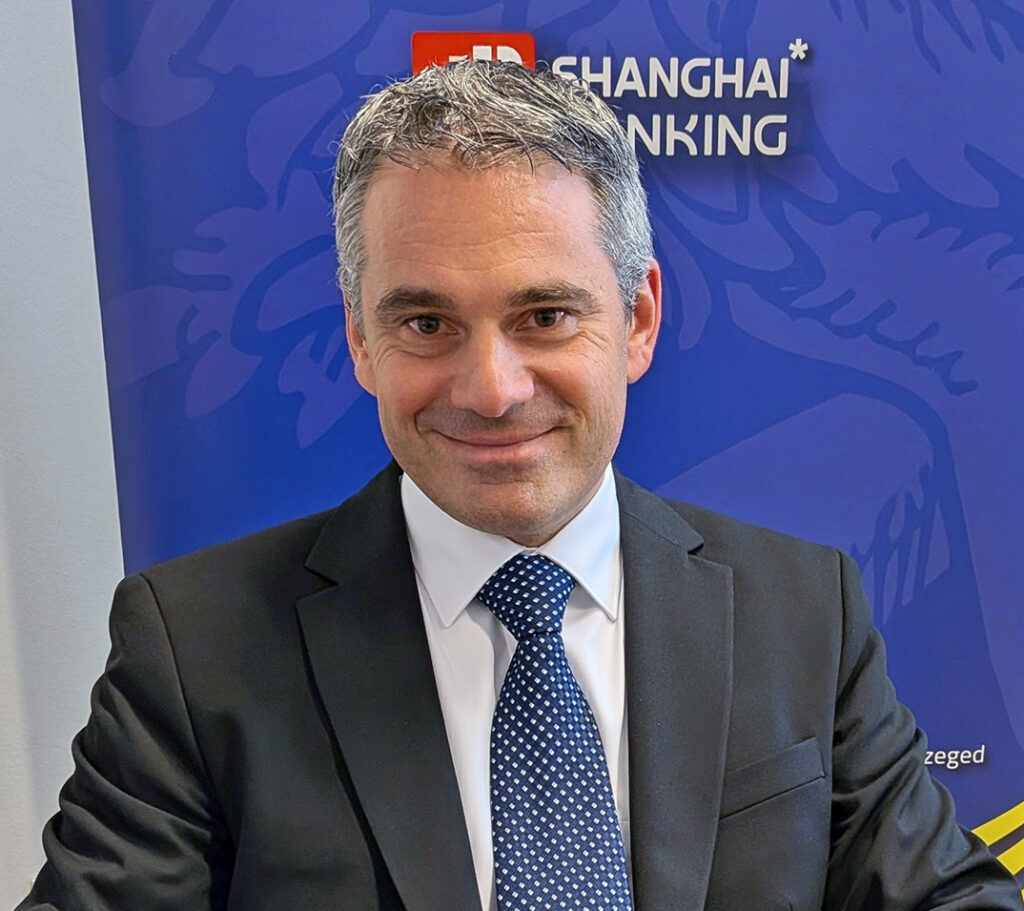
“Countries like Hungary, and really countries all over the world, face an avalanche of non-communicable diseases,” he warned, listing cardiometabolic diseases such as stroke and diabetes, lung and other cancers, multiple sclerosis and Alzheimer’s disease. These conditions, he argued, will define the next 20–30 years of healthcare.
“Around 10% of the Hungarian population lives with diabetes. That is a huge number of patients who are waiting for better therapies,” he noted. Between the ages of 30 and 70, the probability of dying from these types of diseases is roughly 30% higher in Hungary than the European Union average. Put bluntly, that means working-age people are “dying earlier and more frequently than in many other European countries.”
One concrete system-level project in Hungary that Roche highlights is a digital patient pathway tool called Dr. BetMen, developed together with the SZEFA Foundation. Ahnesorg described it as “a digital solution that is quite unique in the Hungarian ecosystem” because it allows patients, physicians and care providers to plan a patient’s journey “in a much more structured and efficient way, instead of a series of isolated interventions.”
The company hopes to hand this tool over to the university allowing it to be used across various disease areas, making the partnership visible not only in labs and lecture halls but also in the everyday organization of care. Beyond individual projects, Ahnesorg stressed Roche’s overall footprint in Hungary.
“Every year we invest roughly HUF 130 billion in Hungary, which is significantly more than the revenues we generate from our drugs,” he said, adding that the company employs almost 3,000 people in the country.
Ahnesorg also noted that the broader life sciences industry already generates around HUF 1.3 trillion in value added for the Hungarian economy. “Healthcare and life sciences can be powerful economic drivers,” and should not be seen only as a cost, he argued. But he was candid that there is more to do.
“Unfortunately, Hungarian patients gain access to innovation later than patients in the United States or China, and later than in many other European countries,” he said. He would like to see a clear national health strategy, ideally backed by a dedicated Ministry of Health, and more systematic investment in the sector.
“This collaboration is a very clear testament to how important Hungary is to Roche,” he said. His principal request to policymakers would be to respond in kind by increasing investment in healthcare and treating it as a strategic priority for the country.
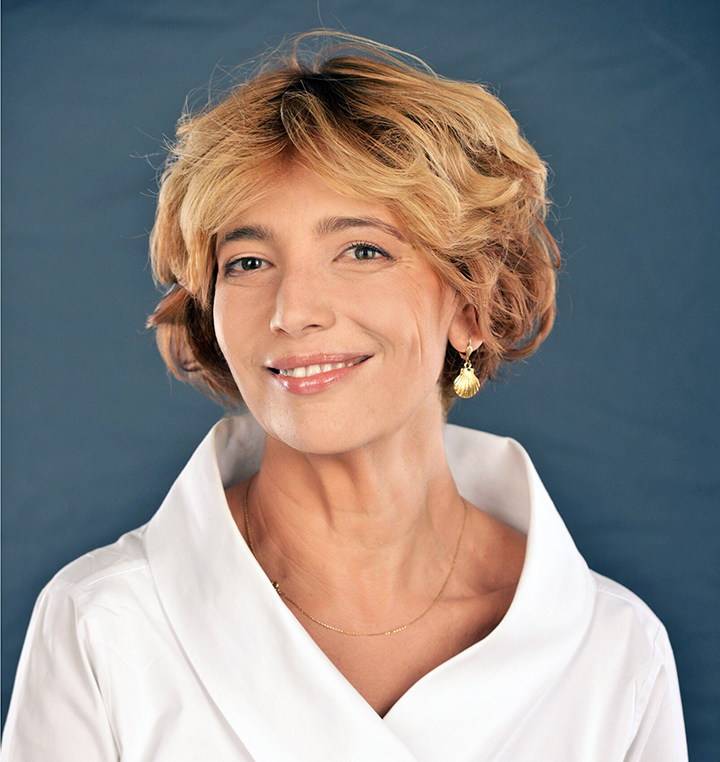
Dr. Judit Fendler, Chancellor of SZTE, questioned some deeply rooted assumptions about Hungarian healthcare.
“Only a relatively small proportion of our health status is determined by the healthcare system itself,” she said. Lifestyle and prevention do most of the work. Smoking, alcohol and obesity rates in Hungary are “well above the OECD and even the V4 averages,” she warned.
For her, the key lever is prevention and organized screening, not simply building more hospital capacity. Fendler described a new screening model SZTE is building in its surrounding Csongrád-Csanád County. The program will test different settings to determine how best to reach people where they actually live: a small rural community, a district seat, and, later, a mobile screening truck.
Age-specific screening packages will be offered to people between 20 and 70, broken down by gender. The university’s clinical center will not only perform the tests but also organize the entire patient pathway together with local family doctors and other providers.
“People will go to screening if we bring it to them, if we take them by the hand and organize it properly,” she insisted, rather than leaving patients to navigate a complex system alone.
“We do not see a dramatic shortage of doctors in the aggregate numbers,” Fendler noted. “The dramatic shortage is in nurses, carers and organized home and long-term care.” Here, cost becomes an issue: 24-hour home-care packages can cost around HUF 910,000 per month; more intensive continuous care can approach HUF 500,000, levels she considers “quite alarming” for ordinary families.
Fendler argues that genuine innovation in healthcare has to be more than installing new machines or opening new buildings. It also means finding new models of long-term and home-based care, stronger organization of patient pathways, and screening programs that actually reach people where they are. Only that, she argued, will make it possible to extend healthy life years and support aging with dignity.
This article was first published in the Budapest Business Journal print issue of December 12, 2025.


